
How To Style Anticlastic Jewelry


Key Takeaways
| Key Idea | What It Means | How To Use It |
|---|---|---|
| Anticlastic curve | Anticlastic jewelry curves in two directions so it wraps the wrist and still moves. This double curve keeps the edges from digging and lets the cuff roll as you move your hand. | Choose anticlastic cuffs if flat bracelets feel stiff or sharp. You will notice less edge pressure and smoother movement in daily wear. |
| Metal choice | Metal changes both the look and the weight. Copper and bronze feel warm and solid, aluminum feels light and easy, and 14K gold brings fine detail and bright color. | Pick copper or bronze if you like a grounded feel, aluminum if you want “barely there” weight, and gold when you want a refined, bright finish for special use. |
| Texture and outfits | Texture steers styling. Bark feels earthy, chased throws more sparkle, brushed and hammered sit in the middle and work with simple clothes. | Use bark with relaxed, nature inspired outfits, chased with dressier looks, and brushed or hammered when you want one cuff that works with many outfits. |
| Start with one cuff | Beginning with a single anticlastic cuff helps you get used to the curve. Many people think they will never stack wide cuffs, then add a second once they see how the shapes nest. | Buy one versatile cuff first, wear it through a full week, then experiment with stacking a second or third piece if it feels natural. |
| Width and fit | Width should match sleeve and wrist size. Narrow or tapered bangles slide under jackets, wide bronze pieces sit better on bare skin or slim knits. On small wrists, heavy flat cuffs look stiff, while anticlastic ones bend the line and feel softer. | For slim wrists or lots of sleeves, choose tapered or medium widths. For bare arm looks or bold style, choose wider bronze or copper cuffs with a gentle curve. |
| Life events vs trends | Choosing based on life events keeps your collection meaningful. Copper suits 7th anniversaries, aluminum suits 10th, and gold suits big moments like promotions or big birthdays. | Mark milestones with specific metals so each cuff carries a memory, instead of chasing short lived trends that feel dated later. |
| Simple care rules | Care stays straightforward. Aluminum stays bright, copper and bronze can shine again with basic cleaner, and gold needs only a gentle wipe. The curve itself needs no special care, just avoid crushing the opening. | Clean aluminum with mild soap, polish copper and bronze when you want more shine, and wipe gold after wear. Store cuffs so the opening is not squeezed or bent. |

Why Anticlastic Cuffs Feel Better On The Wrist And How To Style Them
Have you ever looked at a cuff bracelet and thought, it looks pretty but it sits there like a plank. Anticlastic jewelry tries to fix that problem by curving across and along the wrist at the same time. I shape these pieces so one edge dips in while the other edge flares out, and that small trick changes how a wrist looks in motion. The metal almost tilts and rolls as you turn a doorknob or lift a glass, which feels a bit more alive than a flat strip of metal.
As a jewelry designer in San Francisco, I spend some time watching how a bracelet behaves on a real arm, not just in a box. Does it twist, does it catch on sleeves, does it bump the wrist bone. Anticlastic curves help me solve those small daily annoyances that most people just accept and quietly dislike. So this guide will answer simple questions that still bug people, like which width to pick, which metal to wear to work, and how to stack without clanking all day.

What Makes Anticlastic Jewelry Different From Flat Cuffs
Why does an anticlastic cuff feel softer on the wrist even when the metal is thick. The reason sits in the geometry, but I promise we keep it simple here. In a flat cuff, the strip bends in one direction around the wrist. In an anticlastic cuff, I raise the center, then roll each edge in the opposite direction. One side curves up, the other side curves down. That double curve spreads the pressure and keeps the edge from biting.
You might wonder if that curve is only about comfort or if it changes the look too. It changes both at the same time. When light hits the raised center, you get a highlight there, while the dipped edges fall into shadow. On a bark texture, the ridges catch that light like tree bark at sunset. On a chased texture, tiny grooves reflect little points of brightness, almost like quiet sparks along the curve. It is a small engineering choice that turns into style, which is the kind of puzzle I like in the studio.
To make the curve work, I move slowly with stakes and hammers, keeping the thickness even so the cuff does not feel lumpy. If I rush and thin one edge too much, you feel that spot right away when you put it on, so I don't let that slide. Over time I have learned that people with narrower wrists usually like a gentler curve, while people with wider wrists enjoy a more dramatic flare, since it fills the space without looking stiff. You may not think about these details while shopping, but your wrist notices them every single day.
Key points for the anticlastic curve:
- Double curve spreads pressure along the wrist.
- Raised center gives a bright highlight strip.
- Edges dip away from the skin so they do not pinch.
- Different wrist sizes like slightly different curve depths.

Metals And Textures In Anticlastic Designs
Do copper, bronze, aluminum, and gold really feel that different on the wrist, or is that just something designers say to sound fancy. They feel very different in daily use, and anticlastic shapes make that difference more obvious. Copper and bronze sit a bit heavier and warmer against the skin. Aluminum feels light, almost airy, so some people forget they are wearing a wide bangle at all. Gold has its own weight, but most of the magic there is in the color and fine surface detail.
Texture changes the whole mood of the curve. Bark textures break up reflections into short, organic lines. When I carve and roll a bark pattern into copper, then raise it anticlastic, the surface behaves a little like tree bark when you tilt it under a lamp. Chased textures use small, repeated hammer blows to create tiny dimples and ridges. On an anticlastic form, those dimples grab highlights along the flare, which makes the bangle feel more bright even if the metal is not super wide. Brushed textures sit between matte and shiny, which helps when you want something that does not shout but also does not look dull.
Here is a simple way to match texture and metal to your own habits, even if you don't know design terms:
- Copper bark – earthy, warm, good for jeans, boots, and knit dresses.
- Bronze brushed or hammered – a bit more formal, pairs well with tailored pants or blazers.
- Aluminum hammered or texturized – light, casual, strong for work from home days and travel.
- Gold chased or texturized – dressy, clean lines, great for events and special dinners.
The anticlastic curve behaves a little like a stage for those textures. Even a narrow 1 inch section can look deeper on the wrist because of the way it bends light. This is why I reach for anticlastic forming when I want a statement from a single piece without making the cuff so wide that someone cannot type or drive in it.

Key Anticlastic Pieces And How They Wear
Once you understand the curve, you may ask, which actual pieces should I look at first so I don't feel lost. I will walk through some key anticlastic designs I make and explain who they usually fit and how they act in real life. Think of this less like a sales pitch and more like a fitting room note from the person who hammered the thing.
Here is a quick table to keep things clear:
Here’s the same info in a three-column table with images still showing:
| Piece | Details | Image |
|---|---|---|
| Chased Anticlastic Copper Bangle |
Metal & Texture: Copper, chased Width / Taper: Medium, tapered Typical Use: Everyday shine and work outfits |
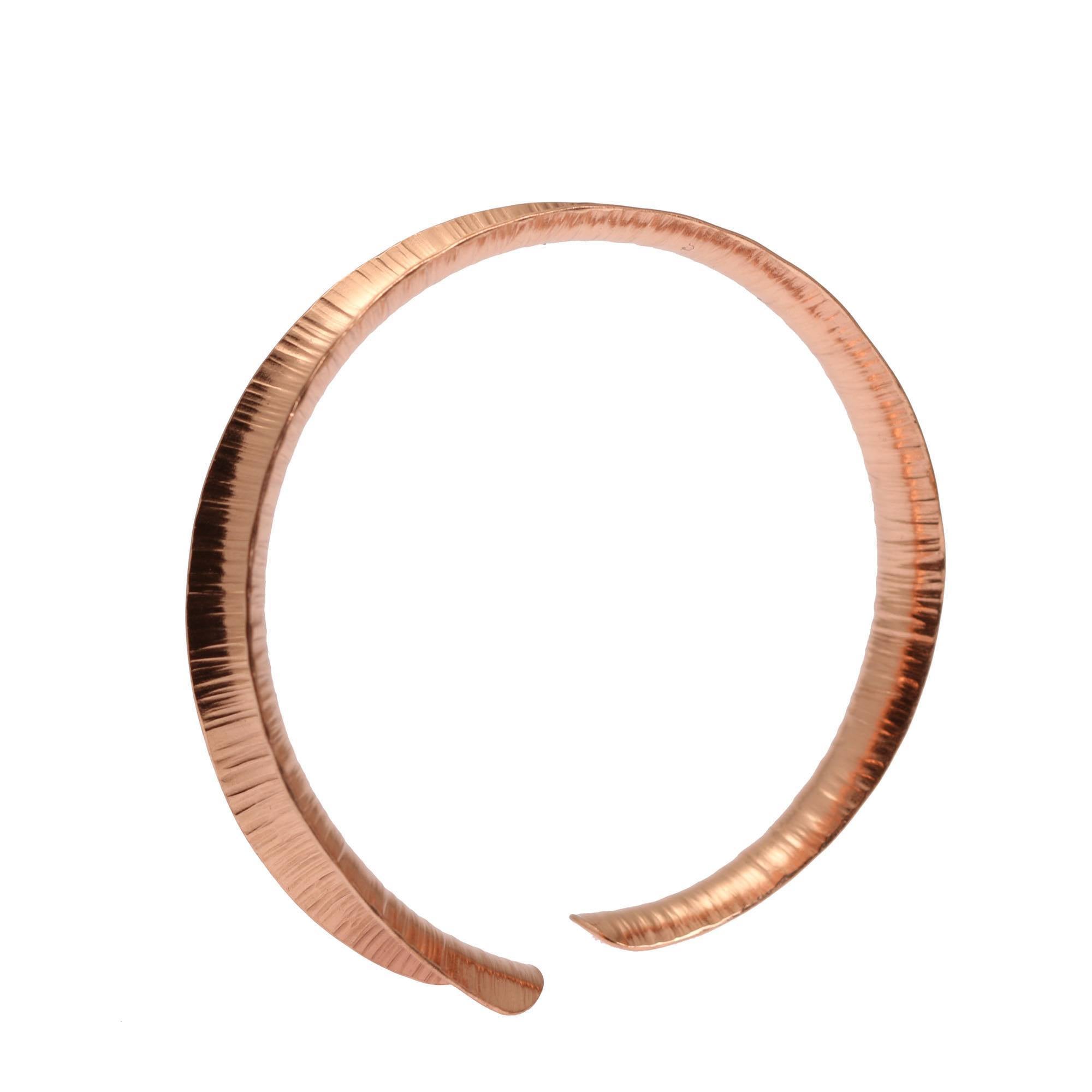 |
| Anticlastic Bark Copper Bangle |
Metal & Texture: Copper, bark Width / Taper: 1.5 in to 0.5 in Typical Use: Nature inspired looks |
 |
| Brushed Bronze Anticlastic Cuff |
Metal & Texture: Bronze, brushed Width / Taper: Wide Typical Use: Strong single piece |
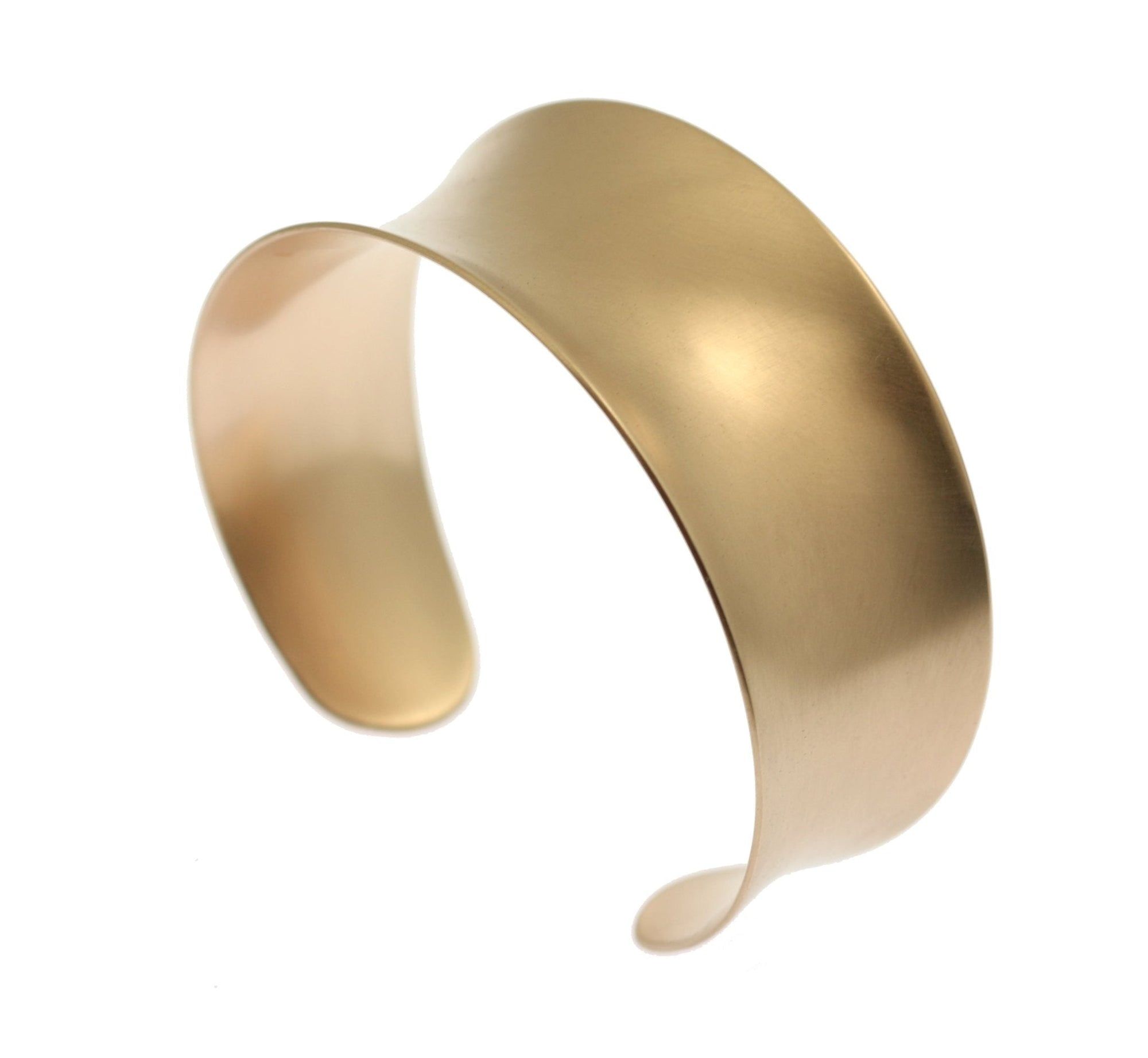 |
| Hammered Bronze Anticlastic Cuff |
Metal & Texture: Bronze, hammered Width / Taper: Wide Typical Use: Textured statement |
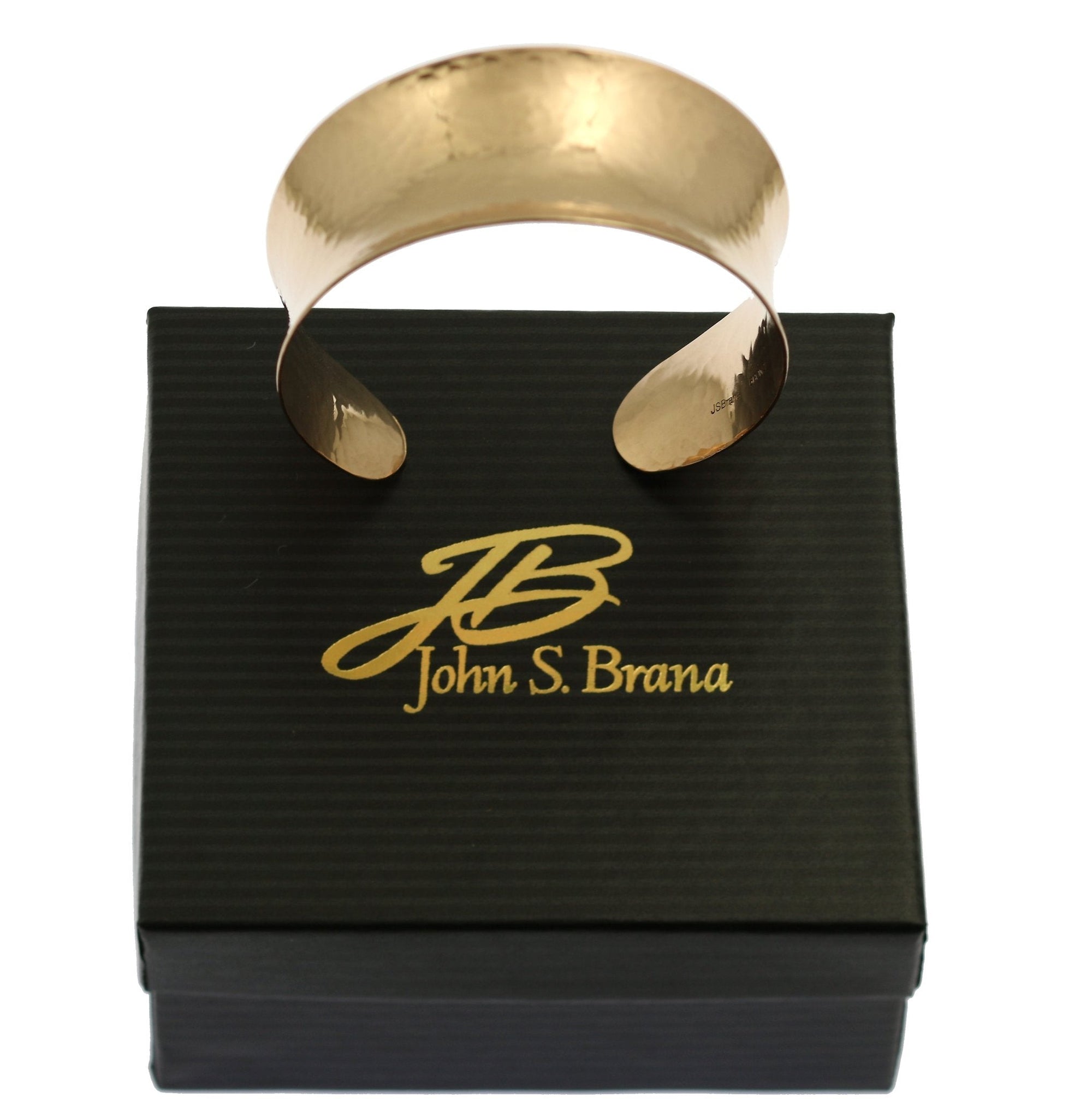 |
| Texturized Aluminum Anticlastic Bangle |
Metal & Texture: Aluminum, texturized Width / Taper: Medium Typical Use: Lightweight daily wear |
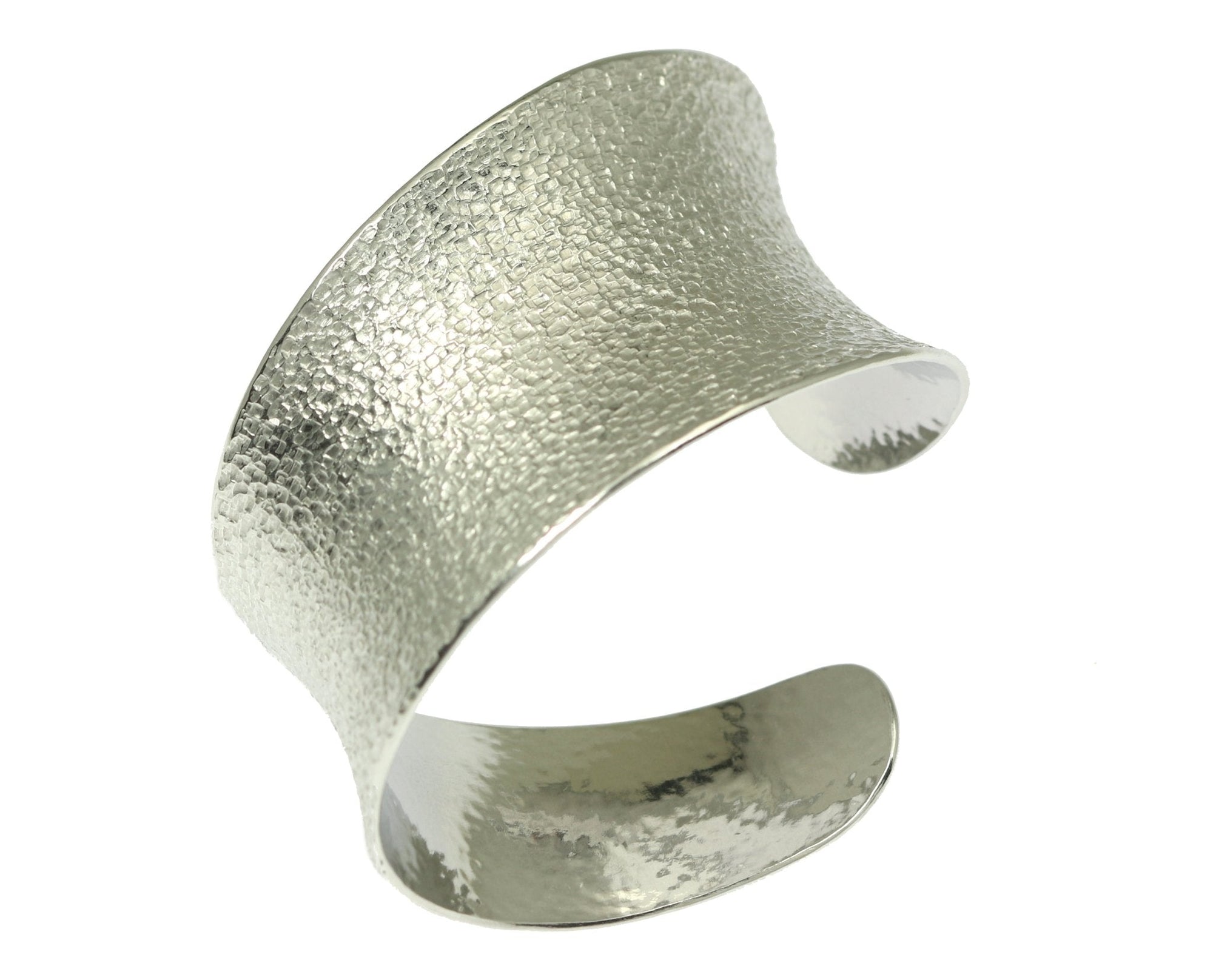 |
| Hammered Aluminum Anticlastic Bangle |
Metal & Texture: Aluminum, hammered Width / Taper: Medium Typical Use: Stacking base |
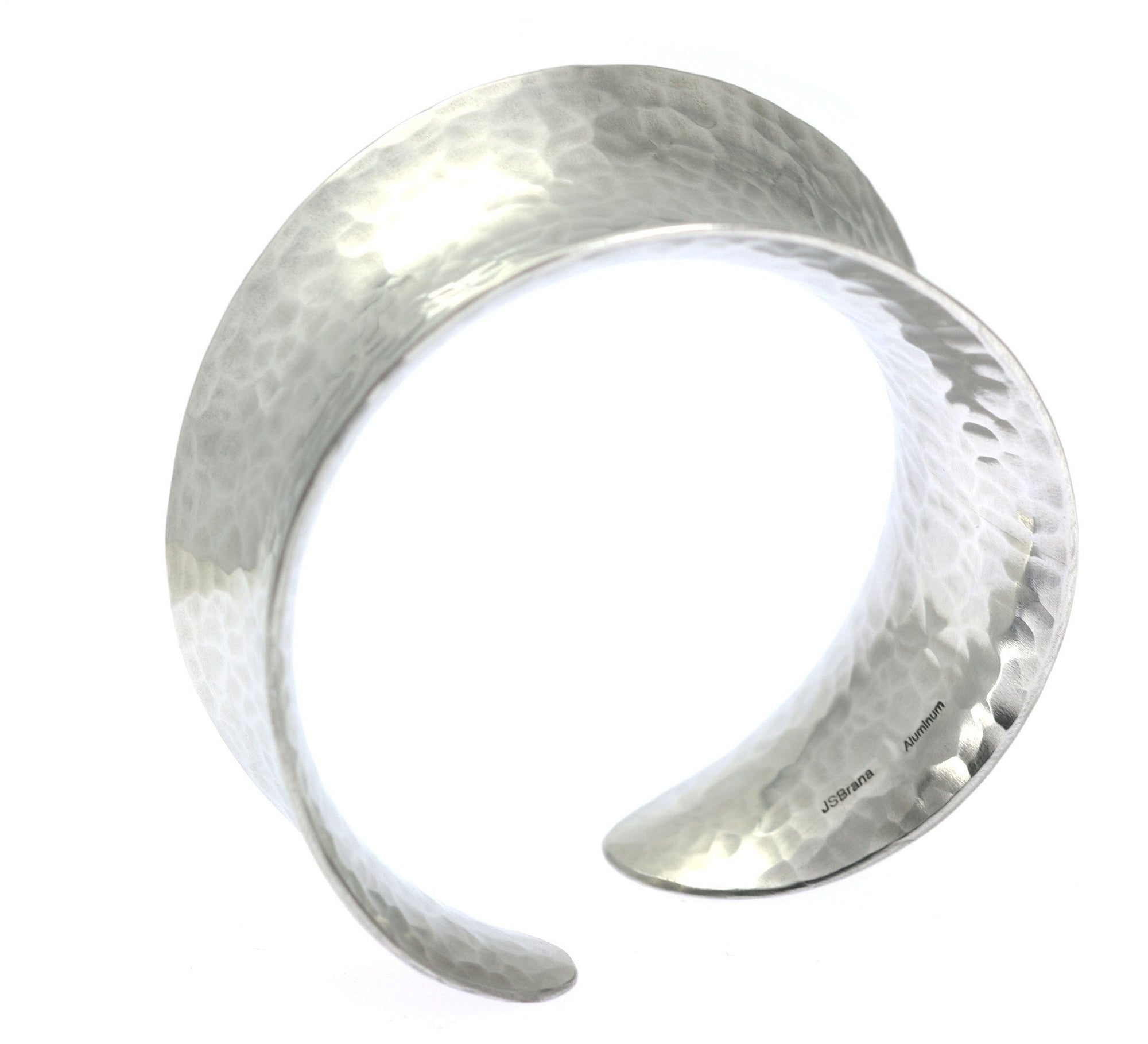 |
| Texturized Copper Anticlastic Bangle |
Metal & Texture: Copper, texturized Width / Taper: Medium Typical Use: Dressy casual |
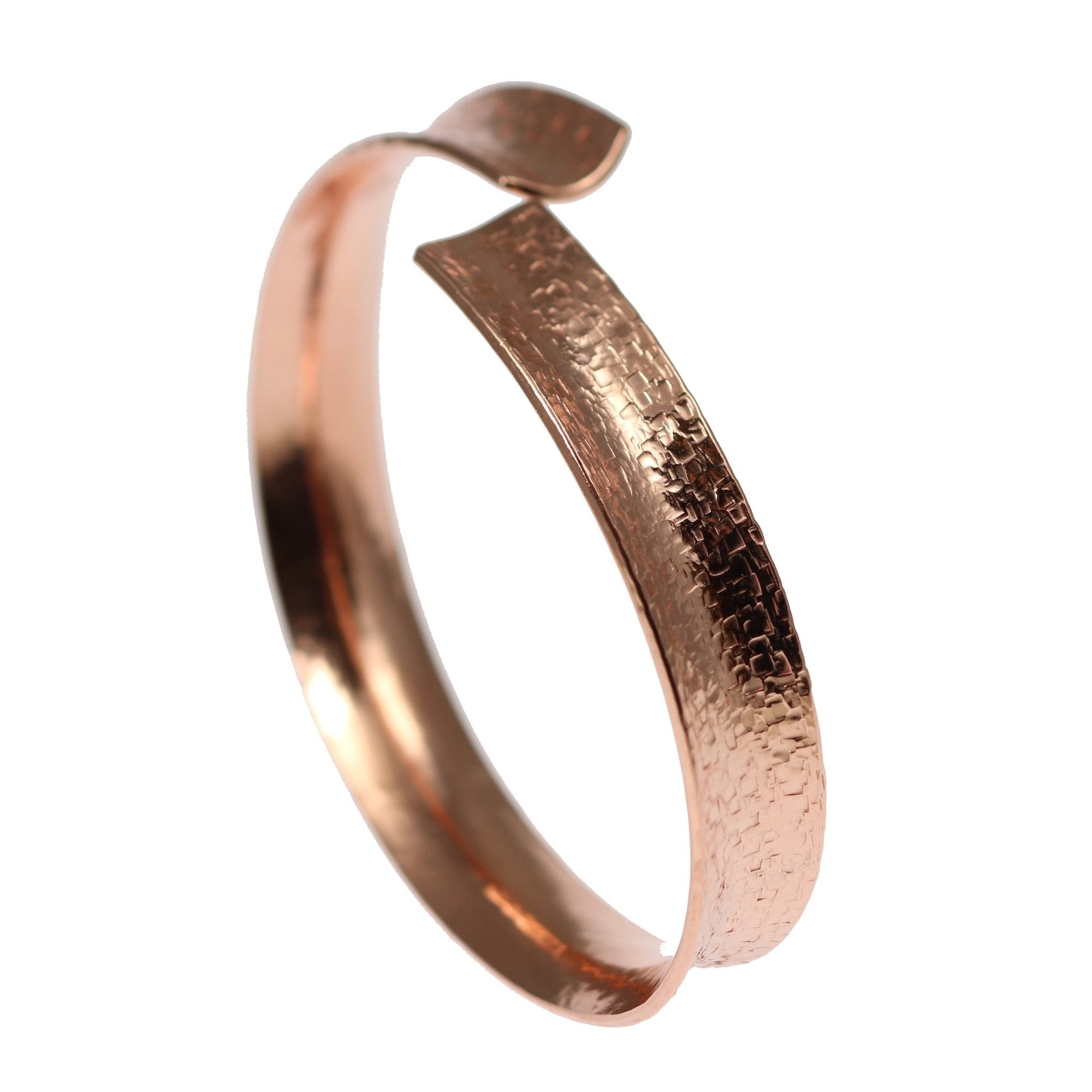 |
| Brushed Bronze Anticlastic Bangle |
Metal & Texture: Bronze, brushed Width / Taper: Medium Typical Use: Office and dinner |
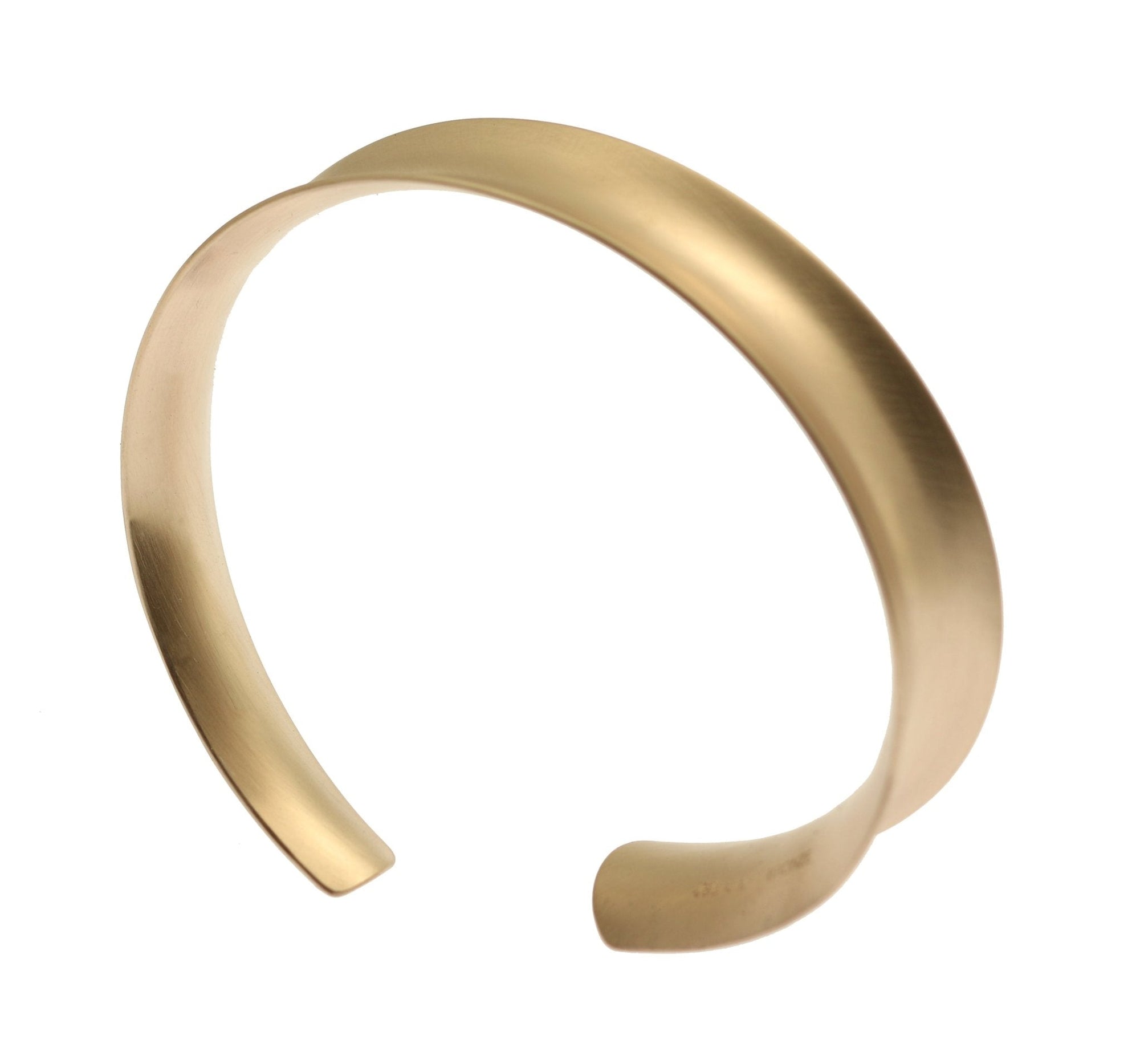 |
| Brushed Anticlastic Bronze Cuff Bracelet |
Metal & Texture: Bronze, brushed Width / Taper: Wide Typical Use: Bold sleeve top |
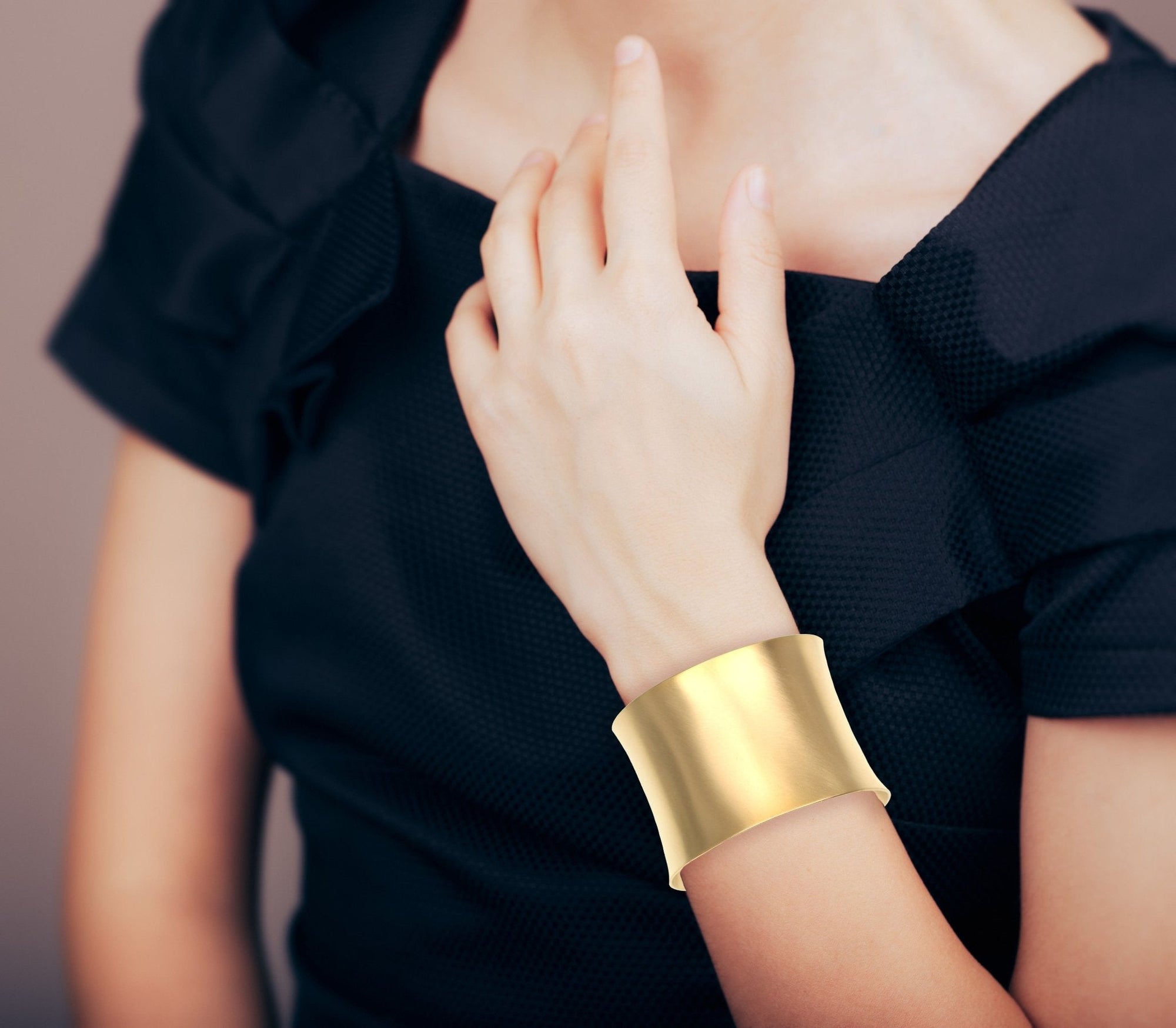 |
| 14K Gold Chased Anticlastic Cuff |
Metal & Texture: 14K gold, chased Width / Taper: Narrow to medium Typical Use: Refined dress piece |
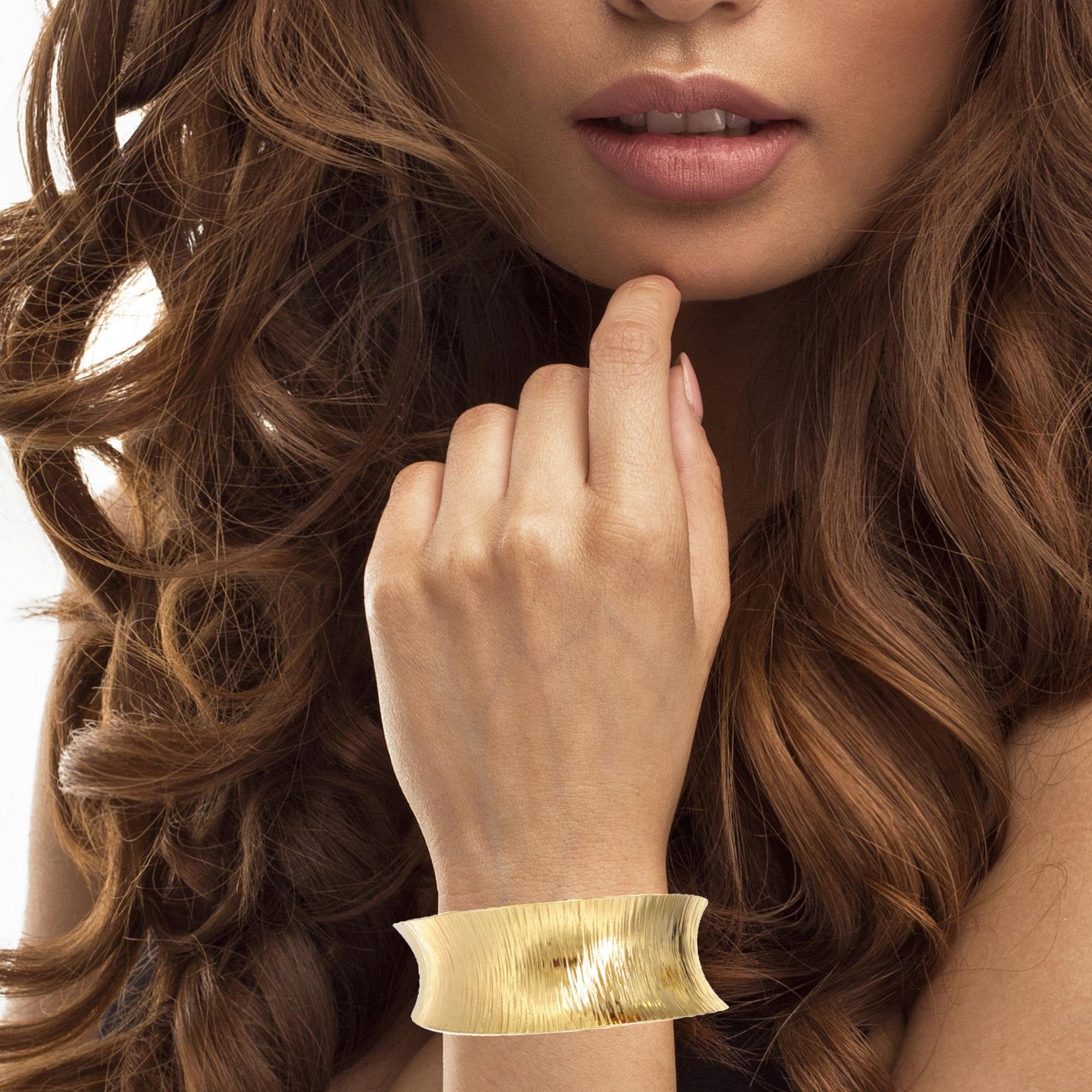 |
| 14K Gold Texturized Anticlastic Bangle |
Metal & Texture: 14K gold, texturized Width / Taper: 1/2 to 1 in Typical Use: Luxury statement |
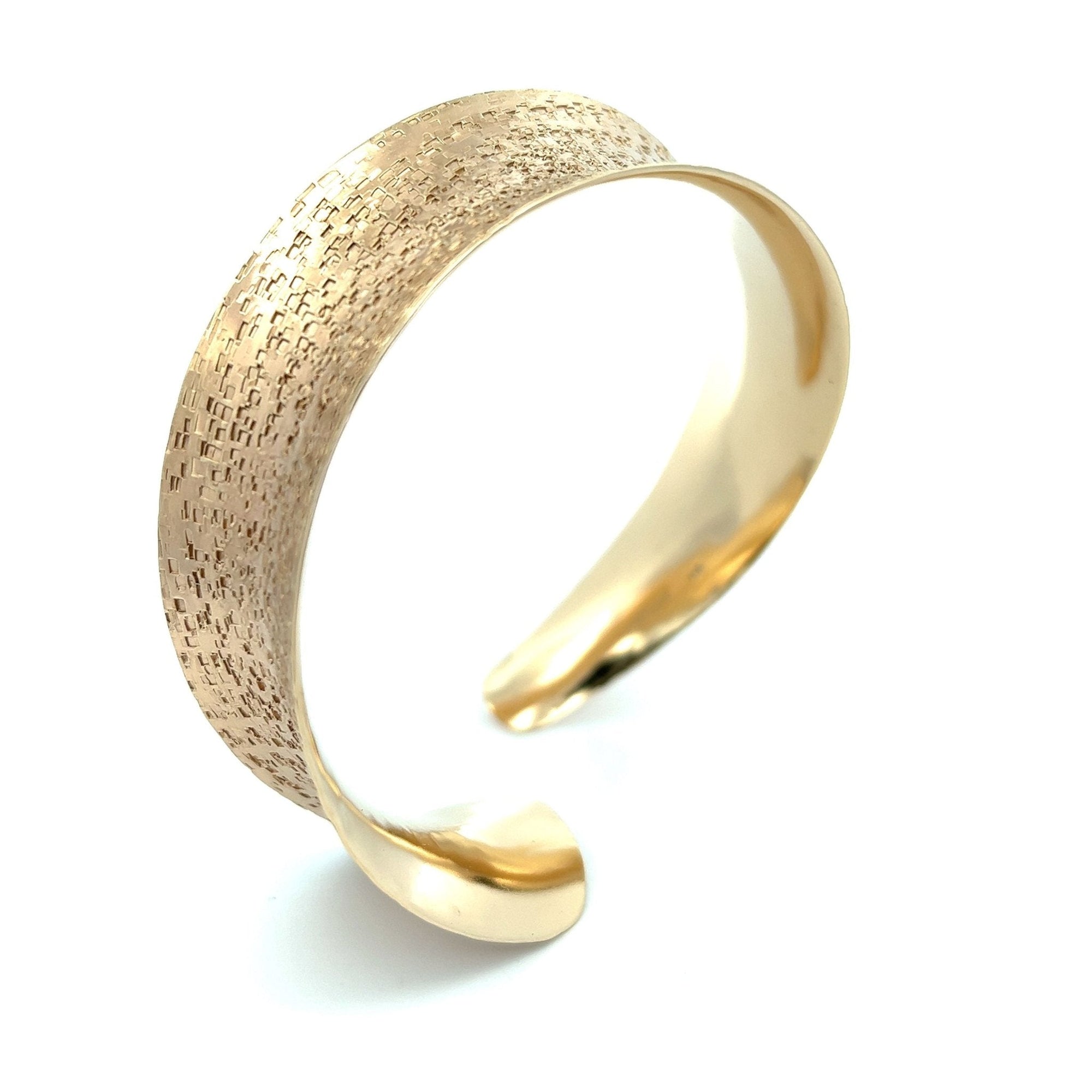 |
| Corrugated Anticlastic Copper Cuff |
Metal & Texture: Copper, corrugated Width / Taper: Tapered Typical Use: Sculptural edge |
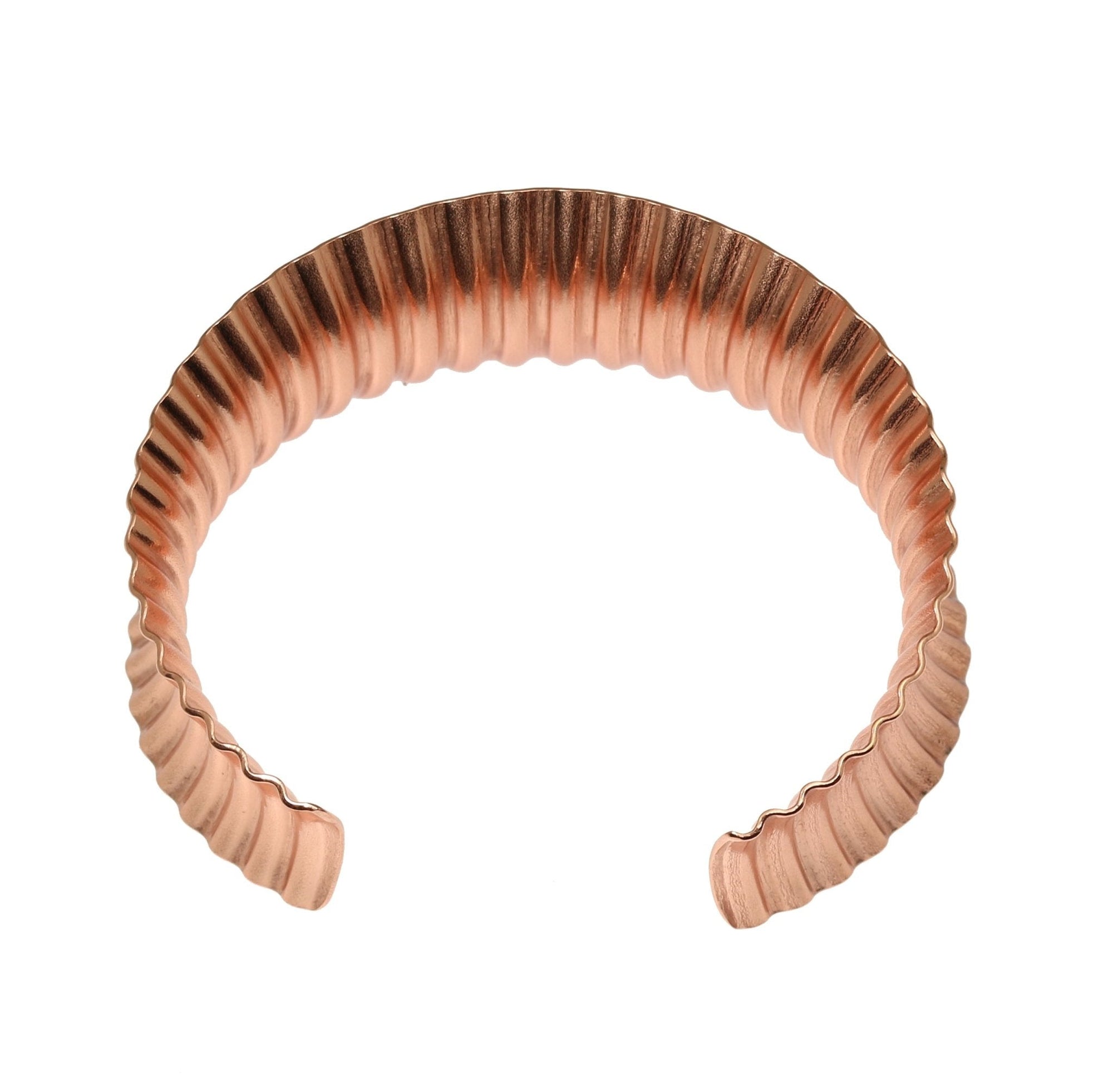 |
When I fit clients, I watch how they move their hands while talking. Do they gesture wide, do they keep arms close, do they type alot during the day. Wide bronze cuffs like the brushed versions above suit people who enjoy a clear, bold edge on the wrist and do not mind a bit of weight. Aluminum pieces suit people who live on laptops and phones, because they sit out of the way and dont tire the hand. Gold cuffs usually go to people who want one piece they can wear for many years with many outfits, so I keep the texture fine and the curve balanced.
If you feel unsure, start with a medium width copper or aluminum bangle in a chased or hammered texture. That size gives enough surface for the anticlastic curve to show, but it still slides under a cardigan cuff or a blazer sleeve without bunching the fabric. Once you know how that feels on your own wrist, you can move wider or heavier with more confidence.

Casual Everyday Looks With Anticlastic Cuffs
How do you wear a sculptural cuff with jeans and a simple T shirt without feeling too dressed up. The trick is to let the bracelet carry the interest while the clothes stay very plain. A texturized aluminum anticlastic bangle works well here because it looks detailed up close but still reads as a simple band from a distance. Paired with sneakers, soft denim, and a relaxed top, it adds structure to the outfit without asking for extra fuss.
On work days, many clients ask me if a copper bangle will fight with their watch or smart band. My answer is to keep one wrist for functional items and let the anticlastic cuff live solo on the other wrist. A chased copper bangle with a tapered curve can sit close to the hand without hitting the keyboard edge. I think about clearances like that while I form the curve, so the metal lifts off the bone at the right point and your wrist doesn't feel crowded.
Here are a few casual pairing ideas you can test without changing your whole closet:
- Errand days – Lightweight hammered aluminum bangle, soft joggers, striped tee, simple canvas bag.
- Coffee with friends – Bark copper bangle, black jeans, linen shirt, ankle boots.
- Office casual – Brushed bronze bangle, slim trousers, knit top, structured flats.
One small story from the studio might help. A client once told me she kept reaching for the same old flat bracelet each morning because it “went with everything” but it also kept catching on her cardigan cuffs. I set her up with an anticlastic aluminum bangle instead. The curve hugged her wrist just enough that the cardigan slid over it, and she stopped fighting that tiny daily battle. Sometimes styling is just removing little irritations like that so you enjoy the pieces you already own.

Event And Evening Styling With Sculptural Bangles
Can an anticlastic bangle really handle a formal event, or does it feel too casual. Gold and bronze versions answer that question pretty clearly. A 14K gold texturized anticlastic bangle has enough curve to read as sculptural, but the color and finish keep it clean for evening wear. With a slip dress or a simple jumpsuit, you let the bracelet act as the one strong line on the arm. You do not need extra necklaces that fight for space near the face, which keeps the whole look calmer.
Bronze cuffs fill a slightly different role at night. A wide brushed bronze anticlastic cuff over a long sleeve black dress has a grounded feel that many people like for winter events. The patina that slowly builds on bronze tells its own quiet story over time. As a maker, I enjoy seeing those soft dark areas gather in the dips of the bark or brushed pattern. It reminds me of how the piece has actually lived, not just how it left my bench.
For evening looks, you can use this simple structure. It keeps the choices clear, so you don't stand in front of a mirror feeling stuck:
- Gold bangle, bare wrist, simple dress – for weddings, milestone birthdays, gallery openings.
- Bronze cuff over sleeve – for winter parties, concerts, and nights where you want a stronger line.
- Copper bark bangle with silk or satin – for relaxed dinners, date nights, and art events.
I often see clients worry that a wide cuff will get in the way at a table or on the dance floor. Anticlastic shapes sit a bit higher on the center of the wrist and dip at the edges, which lets them ride over the edge of a plate or clutch more easily. That means fewer little clunks and bumps through the evening, and honestly that is the kind of detail that makes you forget you are even wearing a statement piece.

Layering, Stacking, And Metal Mixing
Is stacking anticlastic cuffs just for photos, or can you actually wear two or three at once all day. You can stack them, but the order and width matter more than people guess at first. When I plan stacks, I usually start with a medium width base bangle in aluminum or copper, then add a narrower piece with a stronger texture, and finish with one slim accent at the top. The curvature helps the stack settle into a single shape instead of fanning out.
A common mistake is to stack only wide cuffs. On most wrists, two or three wide anticlastic pieces will knock into each other and feel bulky. Instead, try combinations like these:
- Base – Hammered aluminum anticlastic bangle.
- Middle – Texturized copper anticlastic bangle.
- Top – Slim 14K gold chased cuff.
This mix keeps weight under control while still giving three different textures and colors. You might think metals cannot mix without looking messy, but the repeating anticlastic curve pulls them together. The eye reads the group as one long wave around the wrist.
I also watch how opening gaps line up in a stack. If the gaps sit directly on top of each other, they can pinch a bit when the wrist bends. So when I help someone stack in person, I rotate each bangle slightly so the openings sit in different spots along the inside of the wrist. You can do this at home too. Put on each piece one at a time, then twist gently until the stack feels smooth when you flex your hand. It sounds fussy, but you only do it once, and then the set behaves nicely every time you wear it.

Occasion Specific Pairings And Gift Ideas
How do you choose an anticlastic piece as a gift when you are not the one who will wear it. I often talk partners through basic questions. What does she wear to work. Does she roll up her sleeves. Does she prefer soft colors or sharp contrasts. With those answers, picking a metal and width gets much easier. For a 7th wedding anniversary, copper bark bangles feel very fitting and personal. For a 10th anniversary, aluminum anticlastic bangles in a bright hammered finish feel modern and light. For milestone birthdays or big career wins, gold anticlastic bangles tend to make sense, since they hold value and history over decades.
Here is a short pairing guide you can use as a starting point:
- 7th anniversary – Bark copper anticlastic bangle, mid width.
- 8th anniversary – Bronze cuff bracelet with a smooth satin finish, elegant and timeless.
- 10th anniversary – Texturized aluminum bangle, comfortable for daily wear.
- 11th anniversary – Steel or copper (commonly interpreted as modern steel), but from the collection: try a sculptural copper cuff with a wave-like design for a bold, artistic gift.
- 19th anniversary – Bronze is a traditional choice for 19th; the textured bronze cuff with crosshatch detailing would be perfect.
- 21st anniversary – Brass is a great fit here; go with a brushed brass flared cuff for a warm, golden look.
- 22nd anniversary – Copper again makes a comeback here; try the ridged copper cuff with bold texture for something both fun and eye-catching.
One small story stays in my head. A husband once came in worried he would choose the “wrong” width for his wife’s gift. He kept saying his partner had a “tiny wrist” and that any wide cuff would swallow her hand. We measured, talked through her clothes, and settled on a tapered anticlastic copper bark bangle. The wider part sat on the top of the wrist while the narrow part tucked under, so it looked strong without feeling huge. She later told me it made her feel seen, which is the best review I can get.
If you feel unsure about size while gifting, aim for a medium circumference and a cuff with a bit of flex in the opening. That gives the wearer room to adjust slightly. I always remind people not to yank or bend the metal too hard at home, since slow, gentle adjustments protect the curve and keep the metal safe. But a small tweak can make a big difference in comfort.

Care, Fit, And Long Term Comfort
Do anticlastic cuffs need special care because of the curve. The good news is no, the cleaning steps are simple. Aluminum anticlastic bangles stay bright with just mild soap and water, then a soft cloth. Copper and bronze pieces can be cleaned with a gentle metal cleaner or even a bit of household polish if you like a bright look. If you prefer patina, you can just rinse and dry them after wear and let the surface darken slowly.
Fit is where the curve really earns its place. When you slide on a cuff, aim to pass the narrowest part of your wrist, just past the wrist bone. Then turn the cuff so the raised center sits where your wrist is flattest. If the opening feels too tight, a tiny outward press near the ends can help, but do it slowly and stop if the metal feels like it is fighting back. In my studio, I adjust openings in small steps to avoid stress on the metal grain, and that same patience works at home.
Here are simple care rules by metal:
- Aluminum – Tarnish free, just wash and dry.
- Copper – Polish when you want shine, store in a pouch to slow patina.
- Bronze – Expect deeper patina, clean only the raised areas if you like contrast.
- Gold – Use a soft cloth and mild soap, avoid harsh chemicals.
Long term comfort comes from both width and curve. If a cuff feels heavy or stiff the first day, you are unlikely to wear it often. When I design new anticlastic shapes, I ask myself if I can imagine someone wearing the piece through a full workday, from keyboard time to dinner out. If the answer feels like a clear yes, I keep refining that line. If I hesitate, I adjust thickness or width until it sits in that easy zone. You can do your own version of this test at home. Put the cuff on in the morning and note how your wrist feels at lunch. If it still feels natural, you picked well.

Frequently Asked Questions About Styling Anticlastic Jewelry
1. Can I wear an anticlastic cuff on the same wrist as my watch
You can, but most people find it more comfortable to keep the watch and the cuff on separate wrists. The double curve of the cuff likes a bit of open skin so it can sit flat and move. If you must wear both on one side, choose a narrower bangle and place it closer to the hand, leaving the watch higher on the arm.
2. Will an anticlastic cuff fit under long sleeves
Yes, as long as you match width and fabric. Medium width aluminum or copper bangles slide under knit or shirt sleeves quite well. Very wide bronze cuffs like to sit over slim sleeves or on bare skin. If the sleeve is loose and soft, it usually glides over the raised center of the cuff without catching too much.
3. Is copper safe for daily wear if it leaves a mark on my skin
Some people see a faint green mark from copper, which is a normal reaction between metal and skin oils. It is not harmful and washes off with soap and water. If you dislike the mark, you can wear copper a bit less snug or choose aluminum or bronze instead. The anticlastic curve itself does not cause the mark, it just shapes the metal.
4. How do I know what width looks best on my wrist
Look at the distance between your wrist bone and the first big joint of your thumb. If that space is short, narrow to medium cuffs usually look balanced. If that space is longer, you can carry wider pieces without the cuff taking over. You can also take a strip of paper, fold it to different widths, and wrap it gently around your wrist as a quick visual test.
5. Can I stack anticlastic cuffs with flat bracelets
You can. Place the anticlastic cuff closest to the hand so its curve hugs the wrist. Then add flat bangles slightly higher up the arm. This order keeps the curved piece from sitting on top of sharp edges, which can feel awkward. The mix of shapes can look very intentional when you keep metals or textures related.
6. Are anticlastic bangles right for very small or very large wrists
They can work well for both, but sizing matters more. For very small wrists, tapered anticlastic bangles that narrow at the underside often feel safest. For larger wrists, wider cuffs with a gentle curve distribute weight nicely. When in doubt, measure your wrist and compare to the listed sizes, and choose designs that mention a bit of flex in the opening rather than completely rigid forms.

Also in Jewelry News Blog


Copper Bracelet Side Effects: Green Skin, Patina, and What Is Normal
Learn what is normal when wearing a raw copper bracelet, including green skin, patina, and natural color change over time. This article explains why these effects happen, how to reduce them, and how to care for uncoated copper cuffs so you know exactly what to expect from real copper jewelry.


Where to Buy a Real Copper Bracelet: What to Look For Before You Order
Shopping for a real copper bracelet can be confusing when listings use vague terms like “copper tone” or “copper finish.” Learn how to spot solid copper, choose the right cuff size, understand natural patina, and find a well-made bracelet that will hold up to everyday wear.


Copper Jewelry Myths Explained: What’s True, What’s Not, and Why People Still Believe Them
Copper jewelry has long been linked to comfort, wellness, and old family stories, but what does the evidence really say? This article clears up common myths about copper bracelets, green skin, patina, arthritis claims, and daily wear, while explaining why copper jewelry still holds meaning through style, ritual, and personal connection.