The Gemstone of Success - Citrine

Key takeaway: Citrine is a yellow to orange-brown variety of quartz, known in folklore as the "success stone". It is a November birthstone, along with topaz. It rates 7 on the Mohs scale, so it suits rings, earrings and pendants for daily wear. Most citrine on the market is heat-treated amethyst. It can look like yellow topaz, so buy from a seller who names the stone clearly.
Who Is This Guide For?
This guide is for anyone born in November, or anyone buying them a gift. It also helps shoppers who love warm yellow gems for everyday wear. Use it when you want to tell citrine from topaz, or choose citrine earrings, rings or necklaces.
Why Is Citrine Called the "Success Stone"?
Pale yellow citrine is known as the "success stone". It is a gemstone for November. Over the centuries, it gained a reputation for bringing prosperity and abundance. It is also called the "merchant's stone". Merchants once kept citrine in their cash boxes to draw in money.
What Is Citrine?
Citrine is a variety of quartz. In nature, its color ranges from pale yellow to brown. Iron in the crystal creates its warm color. Natural citrine is usually pale yellow.
How Is Most Citrine Made?
Most commercial citrine starts as amethyst or smoky quartz. Heating the stone changes its iron impurities. This turns the color yellow, orange or reddish-brown. Heat-treated citrine often has a more reddish or orange tone than natural citrine. Brazil produces most of the world's gem-quality citrine.
How Can You Tell Citrine From Yellow Topaz?
Once cut, citrine can be very hard to tell from yellow topaz by eye. Some dishonest dealers have sold citrine as the more valuable topaz. Buyers often learn the truth only when they try to resell. A gem lab can tell them apart by testing hardness, density and how the stone bends light.
| Feature | Citrine | Yellow topaz |
|---|---|---|
| Mineral | Quartz | Topaz |
| Mohs hardness | 7 | 8 |
| Refractive index | 1.544 to 1.553 | 1.609 to 1.643 |
| Typical treatment | Heat-treated amethyst or smoky quartz | Often heat-treated or irradiated |
| Relative cost | Lower | Higher for fine yellow and imperial colors |
What Does Citrine Symbolize?
Folklore says citrine brings success in unexpected ways. It is also linked with generosity, encouraging people to share their good fortune. Some New Age traditions link citrine to mental clarity, confidence and willpower. They also say it clears negative energy and brings good cheer. These are folklore and traditional beliefs, not proven effects. Citrine is not a substitute for medical or mental health care.
What Do the Facts Say About Citrine?
Each figure below comes from a recognized gemological source.
- Citrine rates 7 on the Mohs scale, according to the Gemological Institute of America (GIA).
- Most citrine is heat-treated amethyst, according to GIA. Natural citrine is rare.
- Brazil is the main source, according to GIA.
- Topaz rates 8, according to GIA, one step harder than citrine.
- November has two birthstones. The American Gem Society lists topaz and citrine.
What Did We Find When We Checked Our Citrine Collection?
I checked all 10 pieces in our citrine jewelry collection on 9 October 2026. Here is what we measured:
- Mix: 5 pairs of earrings, 3 necklaces and 2 rings.
- Stock: 9 of 10 pieces are in stock, and 1 necklace is sold out.
- Price: in-stock pieces range from $275 to $860. The median is $375 and the average is $475.
- Earrings: all 5 pairs cost $275 to $375. 4 of the 5 use 14K gold-filled metal.
- Stone size: the earrings use 13.5 to 23 carats of citrine per pair.
Case Study: Why I Pair Citrine With 14K Gold-Filled Metal
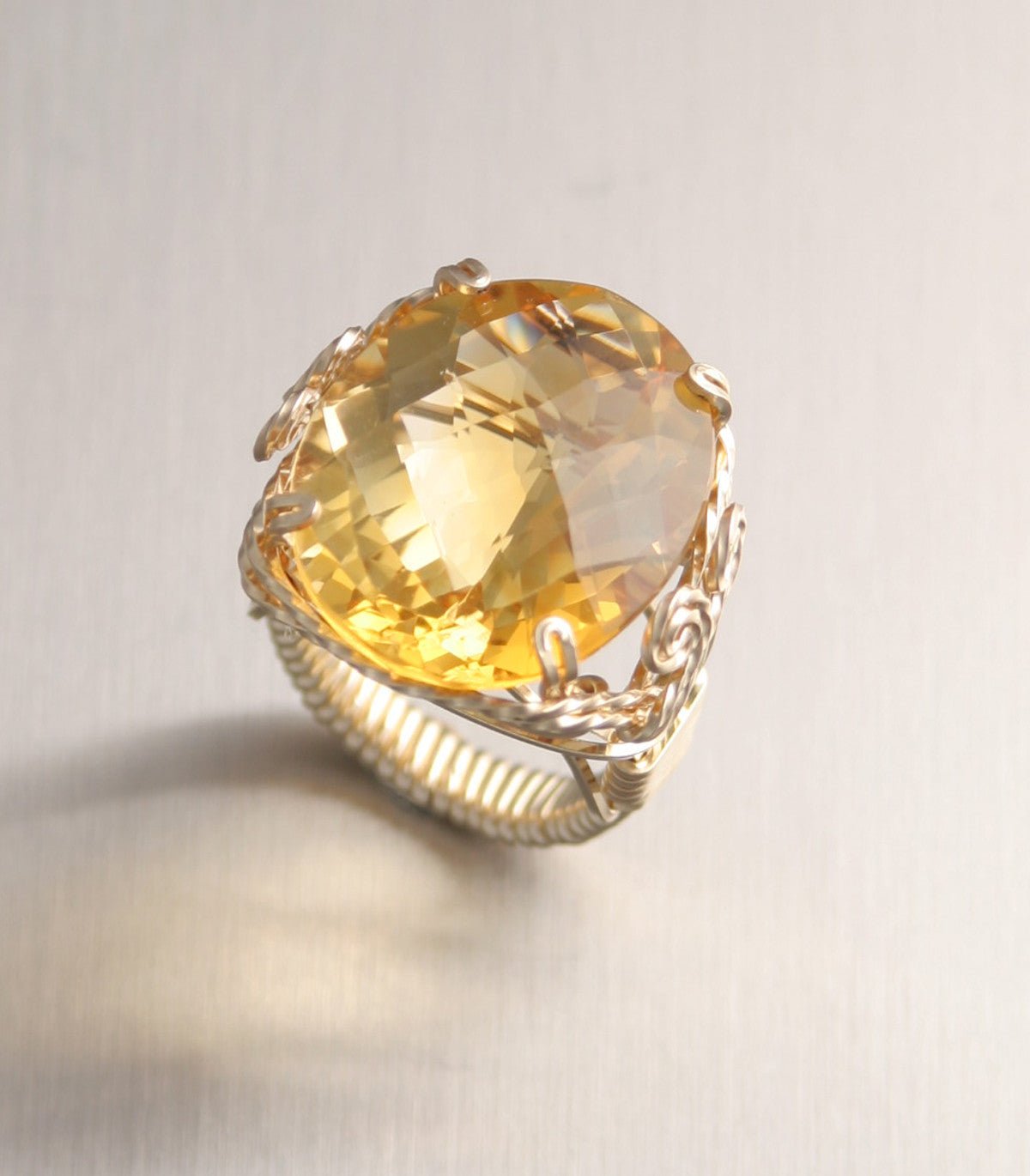
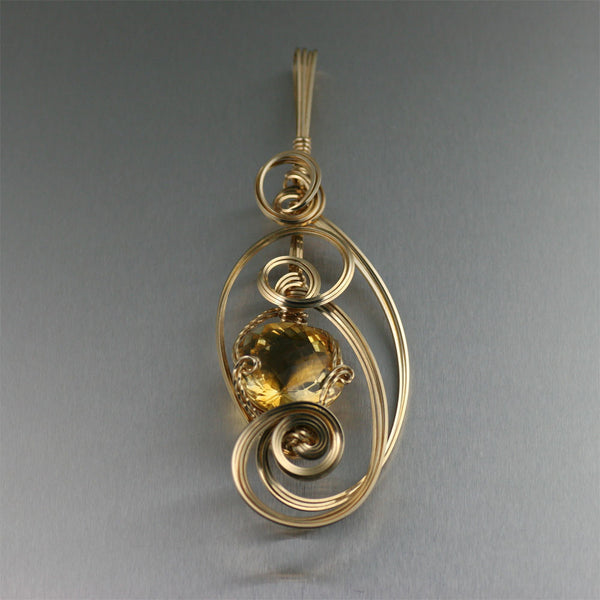
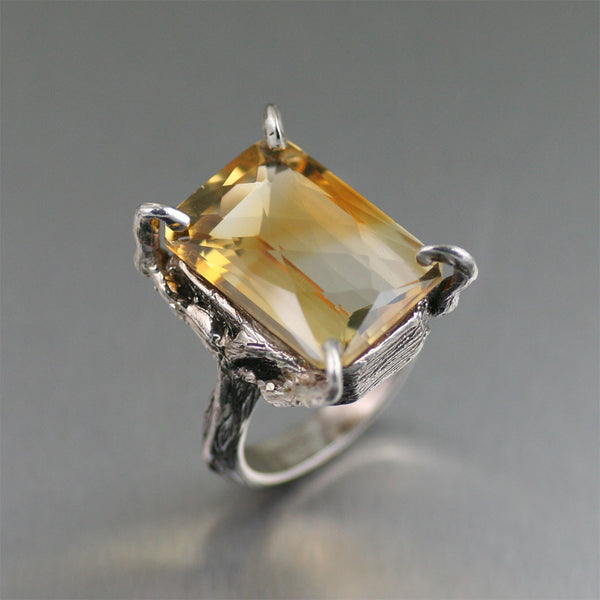
In my experience, citrine looks warmest against yellow gold. The gold tone deepens its honey color. 14K gold-filled metal gives that look at a fraction of the cost of solid gold. That is why 4 of our 5 citrine earrings use it. Citrine's hardness of 7 also lets me use large stones, up to 23 carats, in everyday earrings. For a cooler look, I set citrine in sterling silver, as in our cocktail ring.
How to Choose Citrine Jewelry
- Color – pale lemon looks soft, while deep orange looks bold and warm.
- Cut – checkerboard cuts add sparkle, while cushion cuts look classic.
- Metal – gold deepens the warmth, while silver brightens it.
- Labeling – make sure the seller names the stone as citrine, not topaz.
How Should You Care for Citrine?
- Keep it out of long, strong sunlight – some citrine can fade over time.
- Clean it gently – use warm soapy water and a soft brush.
- Avoid sudden heat changes – they can crack the stone.
- Store it apart – topaz, sapphire and diamond can scratch it.
Whether you choose it for its beauty or its folklore, sunny citrine brings a gleam of good cheer.
Click Here to Read More About Gemstone Jewelry
Frequently Asked Questions
Q1. Why is citrine called the success stone?
Folklore links citrine to prosperity. Merchants once kept it in their cash boxes to bring in money.
Q2. Is citrine a November birthstone?
Yes. The American Gem Society lists citrine and topaz as November's birthstones.
Q3. How can I tell citrine from yellow topaz?
They look alike once cut. A gem lab can test hardness, density and refractive index to tell them apart.
Q4. Is most citrine natural?
No. Most citrine on the market is heat-treated amethyst or smoky quartz. Natural citrine is rarer and usually pale yellow.