
Copper Bracelet Side Effects: Green Skin, Patina, and What Is Normal


Key Takeaways
| Question | Quick Answer |
|---|---|
| Why does copper turn skin green? | Raw copper reacts with sweat, salt, skin oils, and moisture. |
| Is green skin from copper dangerous? | No. It is usually harmless and washes off with soap and water. |
| What is patina? | Patina is the natural surface change copper gets over time. |
| Is patina a defect? | No. It is a normal part of raw copper. |
| Can I reduce green marks? | Yes. Keep the bracelet dry, avoid lotions under it, and clean it now and then. |
| Why use uncoated copper? | It gives you the real metal surface and a finish that ages naturally. |
What This Article Covers About Raw Copper Cuffs
Copper bracelet side effects get misunderstood a lot. A person buys a raw copper cuff, wears it for a day or two, sees a green mark, and thinks the bracelet must be faulty. That is usually not what happened. Most of the time, the bracelet is doing exactly what real copper does.
This article is about raw, uncoated copper cuffs, like the ones found in the John S. Brana copper jewelry collection. That part matters. Raw copper behaves differently from coated copper. It reacts with air. It reacts with moisture. It reacts with your skin chemistry. It changes. That is not a flaw. That is the material being honest.

When people talk about copper bracelet side effects, they are usually talking about three things:
- Skin turning green
- The bracelet getting darker over time
- Surface color changing with wear
This article sticks to those visible changes. It does not make health claims. It does not treat copper as medicine. It is about appearance, wear, maintenance, and what a buyer should expect from real, handmade copper jewelry.
As a jewelry designer, I have seen this same question come up again and again. A customer loves the warm glow of fresh copper, then the cuff starts to deepen in color, and they wonder if something went wrong. Nope, not really. The color shift is part of the story. Handmade copper does not stay frozen in time, and truthfully, that is one reason people like it. It gets a little more character as it lives with you.
If you already know you are shopping for cuffs, the handmade copper bracelets collection is the best place to compare finishes, widths, and textures.
What Happens When You Wear Raw Copper Jewelry?
The first thing that happens when you wear raw copper is simple. The metal begins reacting to the world around it. Air starts the process. Moisture helps it along. Skin contact speeds up certain changes. It sounds very science-class, I know, but the idea is easy.
A few words help make sense of it:
- Oxidation means copper reacts with oxygen and moisture
- Patina means the color and surface change that builds over time
- Skin discoloration means some of that reaction transfers onto the skin
Those terms get mixed together all the time. They are related, but they are not identical.

When a raw copper cuff sits on your wrist, it meets warmth, skin oils, and sometimes a little sweat. If you wore lotion earlier, or if the weather is damp, the reaction may show faster. That can look like darkening on the bracelet itself, or a faint green mark on the skin underneath. Both are common with raw copper.
A thing people often ask is whether a smooth cuff reacts less than a textured cuff. In my experience, the look may change slightly, but the chemistry stays the same. A faceted cuff, a linen finish cuff, or a hammered cuff can all develop color shift over time. The surface pattern changes how the light hits it, but the metal is still copper.
If you want a broader look at how buyers talk about the experience, copper jewelry what people want to know, feel, and experience is a solid next read. It shows how often the same questions pop up, even from people who already own other jewelry.
Why Copper Turns Skin Green
This is the big question. Why does copper turn skin green? The answer is plain. Copper reacts with sweat, salt, acids, oils, and moisture. That reaction can create copper salts, and those can transfer onto the skin.
That green mark can show up faster on hot days, on humid days, or after wearing lotion or sunscreen under the cuff. It can also vary a lot from one person to the next. One person can wear copper all week and barely see anything. Another person gets a green line in a single afternoon. Bodies are funny like that.
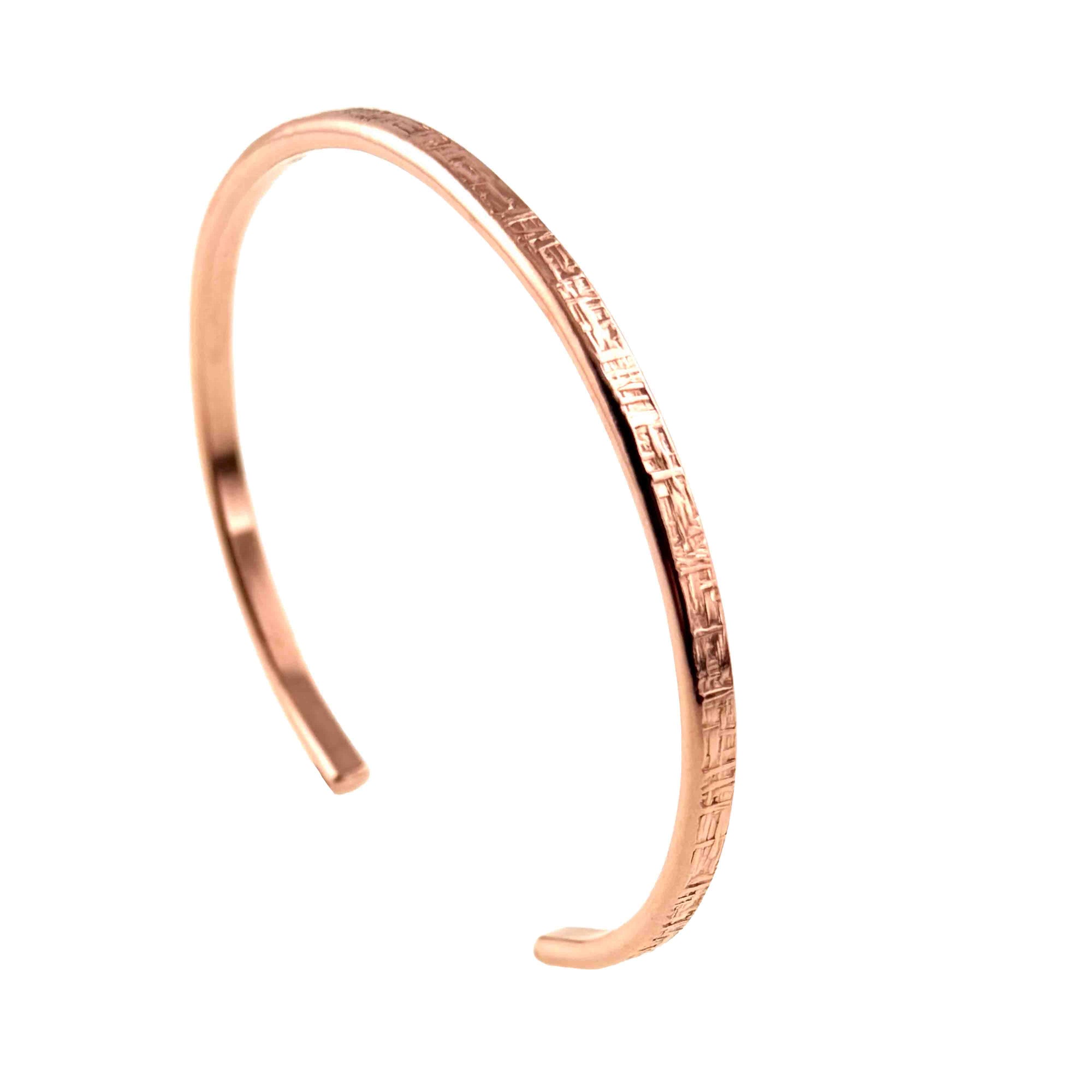
Here is a real-life kind of example. Someone wears a copper cuff during a warm day in San Francisco. The air feels damp. They walk up a few hills, get a little sweaty, and by evening there is a soft green mark on the wrist. That is not strange. It is pretty normal for raw copper in that setting.
Is green skin harmful? In most cases, no. It is temporary and harmless. It usually washes off with soap and water. It does not mean the bracelet is fake. It does not mean the copper is poor quality. In fact, real copper is more likely to do this than a heavily coated piece.
A few things can make green skin show more often:
- Heavy sweating
- Humid weather
- Oils and lotions
- Sunscreen under the bracelet
- Wearing the cuff very snug

If you have heard someone say copper jewelry "stopped working," what they often mean is that the visual experience changed from what they expected. What people mean when they say copper jewelry stops working gets into that in a clear way.
What Patina Means on a Copper Bracelet
Patina is the natural finish that grows on copper as time passes. It can show up as deeper brown, amber, reddish brown, or even greenish tones. On raw copper, patina is expected. It is not some weird side effect that sneaks up out of nowhere. It is how the metal ages.
Fresh copper has a bright warm color. Very pretty, very clean. But after wear, the bracelet may darken in the low spots, soften in shine, or develop a richer tone across the whole surface. On handmade jewelry, that often looks good. Really good, actually.
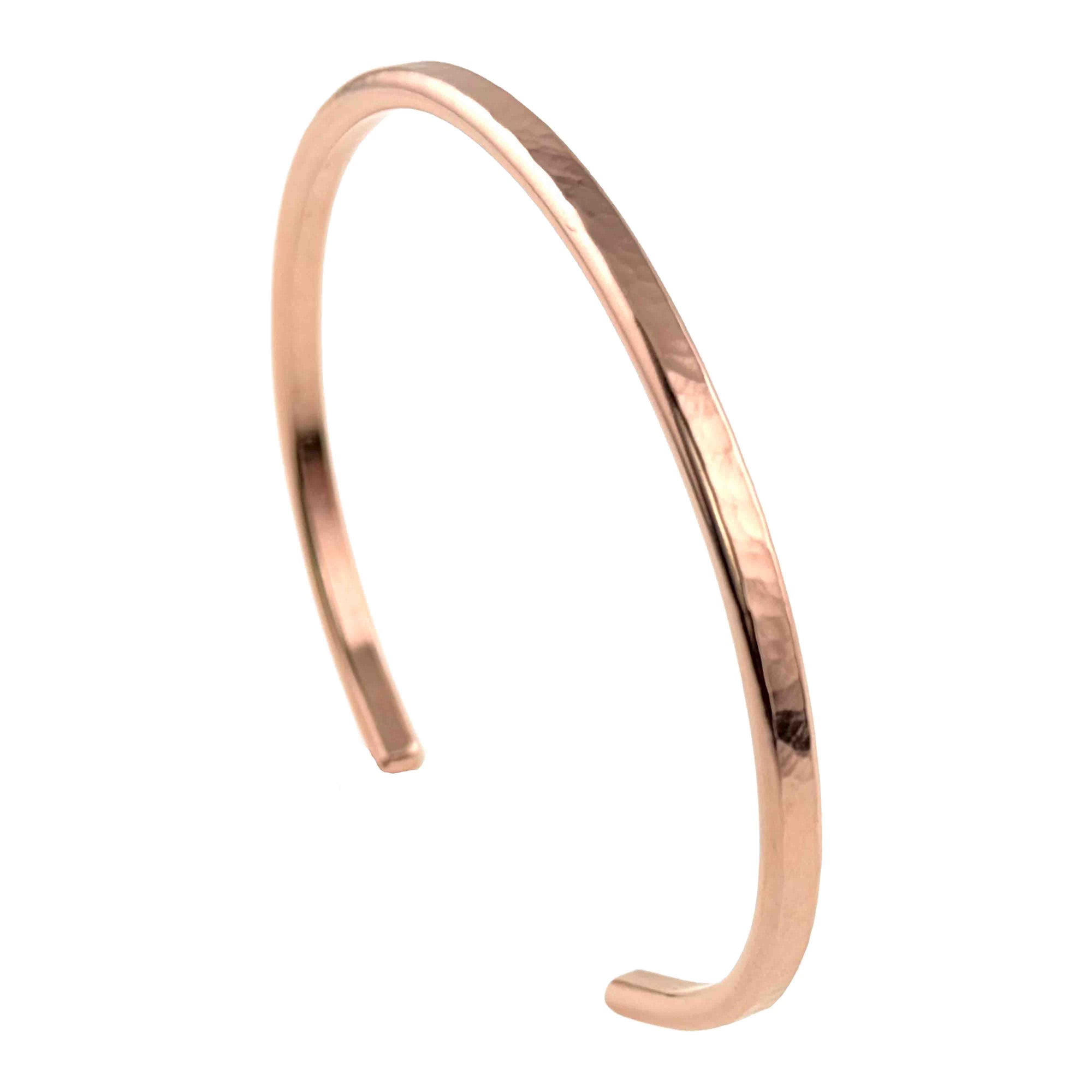
People sometimes confuse patina with tarnish, but they are not quite the same in how they are perceived.
| Feature | Patina | Tarnish |
|---|---|---|
| Appearance | Rich, even, lived-in color | Uneven, dull, blotchy spots |
| Feel | Often seen as attractive | Often seen as unwanted |
| Control | Can be kept or polished | Usually cleaned away |
| Handmade appeal | Strong | Lower |
As a designer, I tend to like what copper does when it settles down a little. Hammer marks catch the darker tones. Linen textures deepen in a soft way. A domed cuff can start reflecting light differently after a few weeks of wear. That is the part mass-produced finishes often miss. They can look tidy, sure, but they do not grow.

If you want to read more about the myths people attach to copper, copper jewelry myths that will not die and why they persist clears up a lot of old nonsense.
What Affects Copper Bracelet Side Effects?
Not every wrist reacts the same way. Not every climate does either. That is why one customer writes to say their cuff barely changed, while another says it darkened fast and left green marks the first week. Neither one is wrong. The conditions were just different.
Skin chemistry is the first big factor. Your skin has its own pH balance, oil level, and sweat pattern. Some people simply react more with copper than others. That is normal. It does not mean something is wrong with the metal.
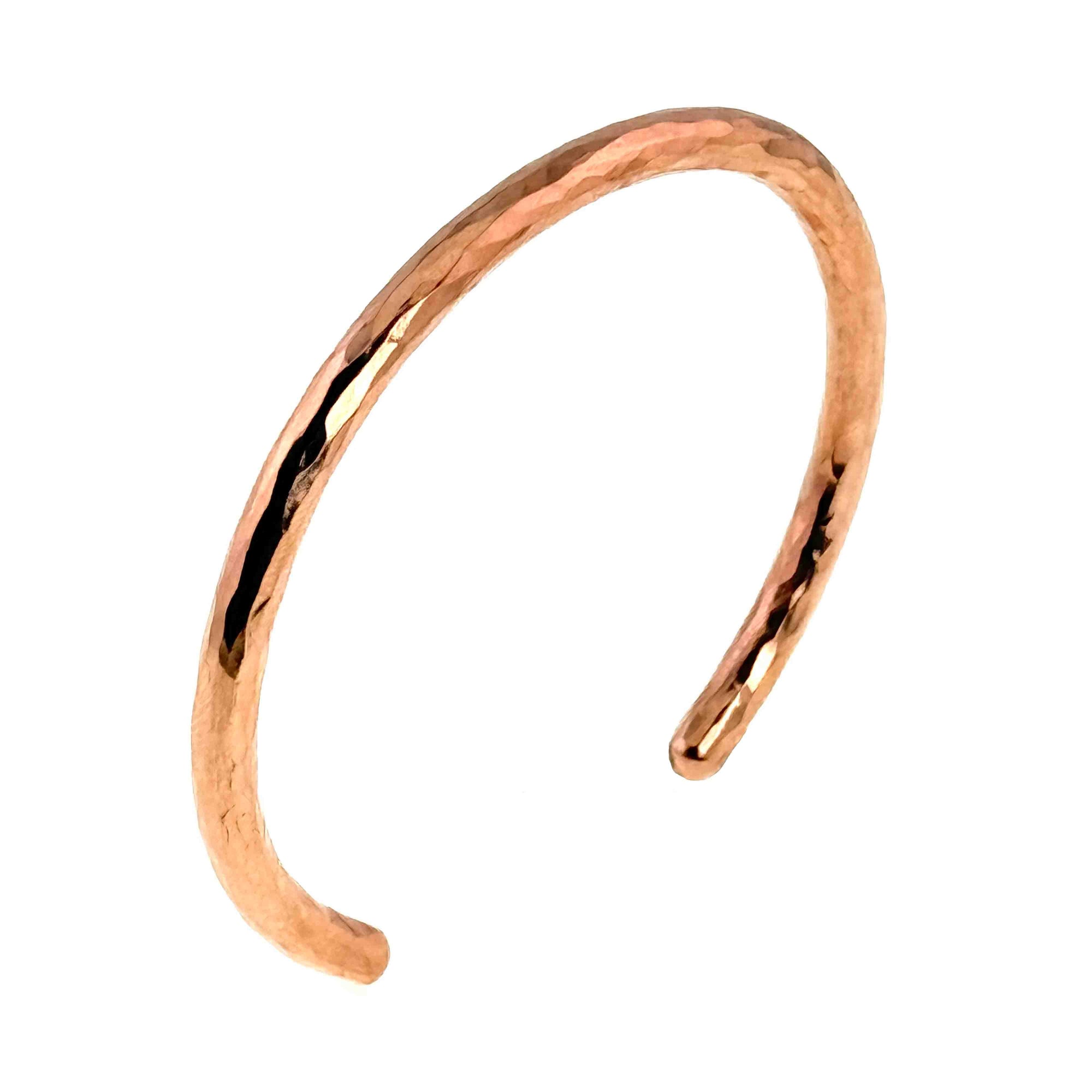
The second big factor is environment. Coastal humidity can speed oxidation. Heat can increase sweat. Damp weather can keep a cuff from drying out as quickly as it would in a dry inland climate. A bracelet worn in San Francisco often ages differently than the same bracelet worn in Arizona. That is just real life.
Daily habits matter too:
- Applying lotion right before wearing the cuff
- Wearing the bracelet through workouts
- Showering with it on
- Leaving it damp after washing hands
- Wearing it every single day with no break
Texture and width affect how changes appear, but they do not cancel the chemistry. A narrow cuff can leave a green line. A wider cuff can too. If you want to see how copper surfaces compare across styles, how the copper in my jewelry is verified gives useful background on the material itself, while the copper earrings collection shows how the same metal behaves across different forms.
Why John S. Brana Uses Uncoated Copper
A fair question is this: why use uncoated copper when coating could reduce green skin at first? The short answer is that coatings change the feel and aging of the metal. They can also wear unevenly. Raw copper skips that extra layer and gives you the real surface from day one.
That choice is intentional. It gives each bracelet a living finish. It also means the piece can be polished back up or allowed to age naturally, depending on what the owner likes. A coating tries to hold the finish still. Raw copper lets it move.
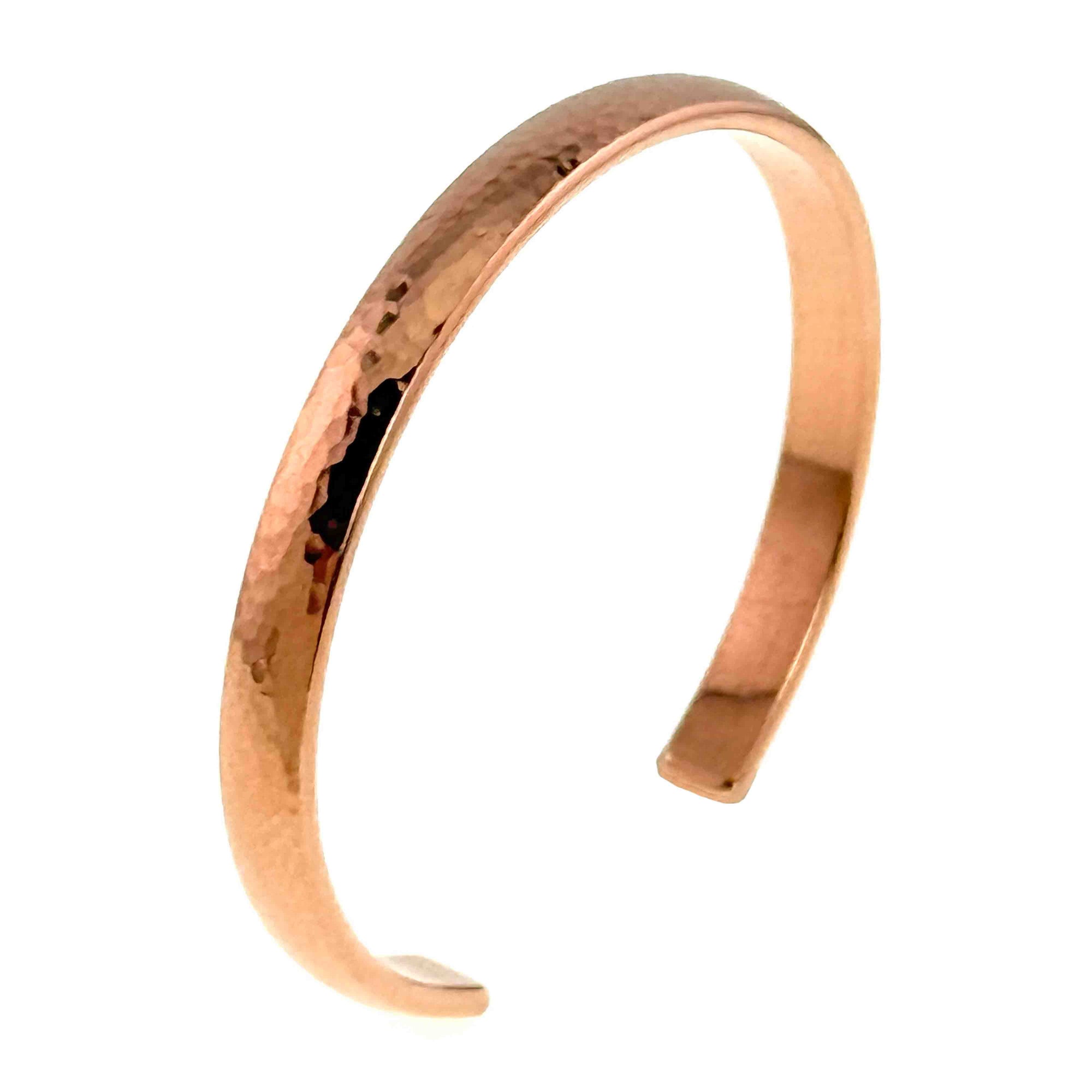
Here is the balance in plain terms.
Pros of uncoated copper
- Real metal surface
- Natural patina
- No coating to chip or wear oddly
- Honest handmade look
Cons of uncoated copper
- Needs occasional cleaning
- May leave temporary green marks
- Color changes over time
As a maker, I would rather see copper age honestly than watch a top coat wear off in patches. That uneven coating look can feel more distracting than patina ever does. Raw copper has a cleaner logic to it. What you see is the metal.
If you want more context about real material versus vague product claims, where to buy a real copper bracelet and what to look for before you order is useful, and how long it really takes for a copper bracelet to show results helps separate surface change from expectation.
How to Reduce Green Skin Without Giving Up Raw Copper
You can reduce green skin. You may not stop it forever in every situation, but you can make it happen less often. The best strategy is simple: limit moisture, limit residue, and keep the bracelet clean.
Start by keeping the inside of the cuff dry. If you put on lotion, sunscreen, or perfume, let it settle before putting on the bracelet. Better still, avoid applying those products directly where the cuff sits. That tiny habit helps more than people think.
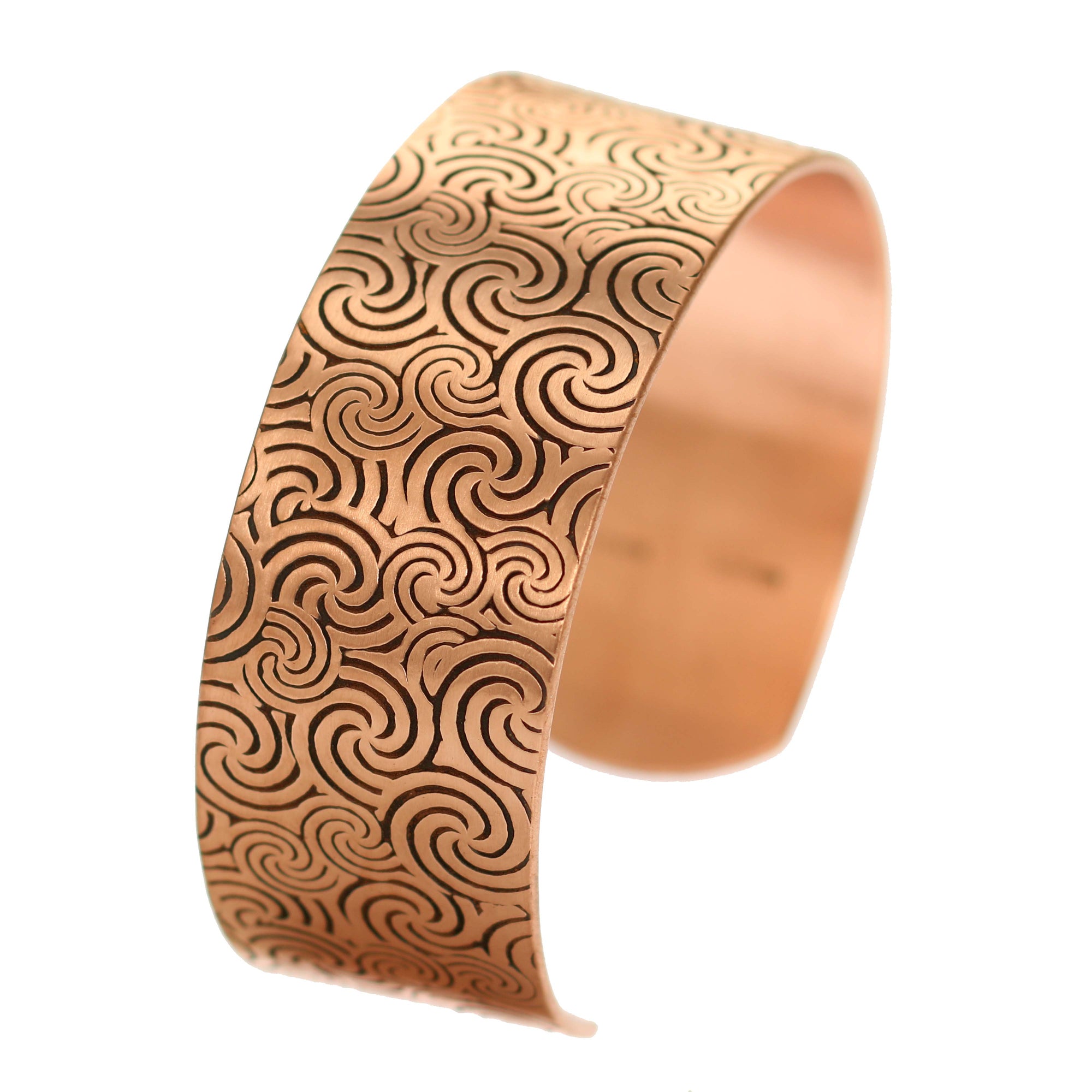
A few easy tips:
- Remove the cuff before showering
- Remove it before swimming
- Take it off for workouts
- Dry it if it gets damp
- Wipe the inside with a soft cloth now and then
Some people also use a barrier. A light coat of jewelry wax on the inside can help. Clear nail polish on the interior is another common trick. It is temporary, yes, but it can cut down on transfer. I would call it a practical fix, not a forever fix.
Fit matters too. A cuff that is too snug can trap heat and moisture. A cuff with a little breathing room often behaves better, especially in warm weather. If you enjoy styling copper as part of everyday outfits, wearing copper jewelry with style and accessorizing business casual with copper jewelry can help you think through how and when to wear it.
How to Clean and Maintain Copper Bracelets
Cleaning raw copper is pretty easy. The only question is what look you want. Do you want bright fresh copper, almost penny-bright? Or do you want some mellow age and deeper tone to stay in place? Both are valid choices.
For quick home care, many people use lemon juice and salt or a mild vinegar solution. Those methods can brighten copper fast. Just be sure to rinse well and dry the bracelet completely afterward. If left too long, acidic cleaners can clean more aggressively than expected, so go easy.
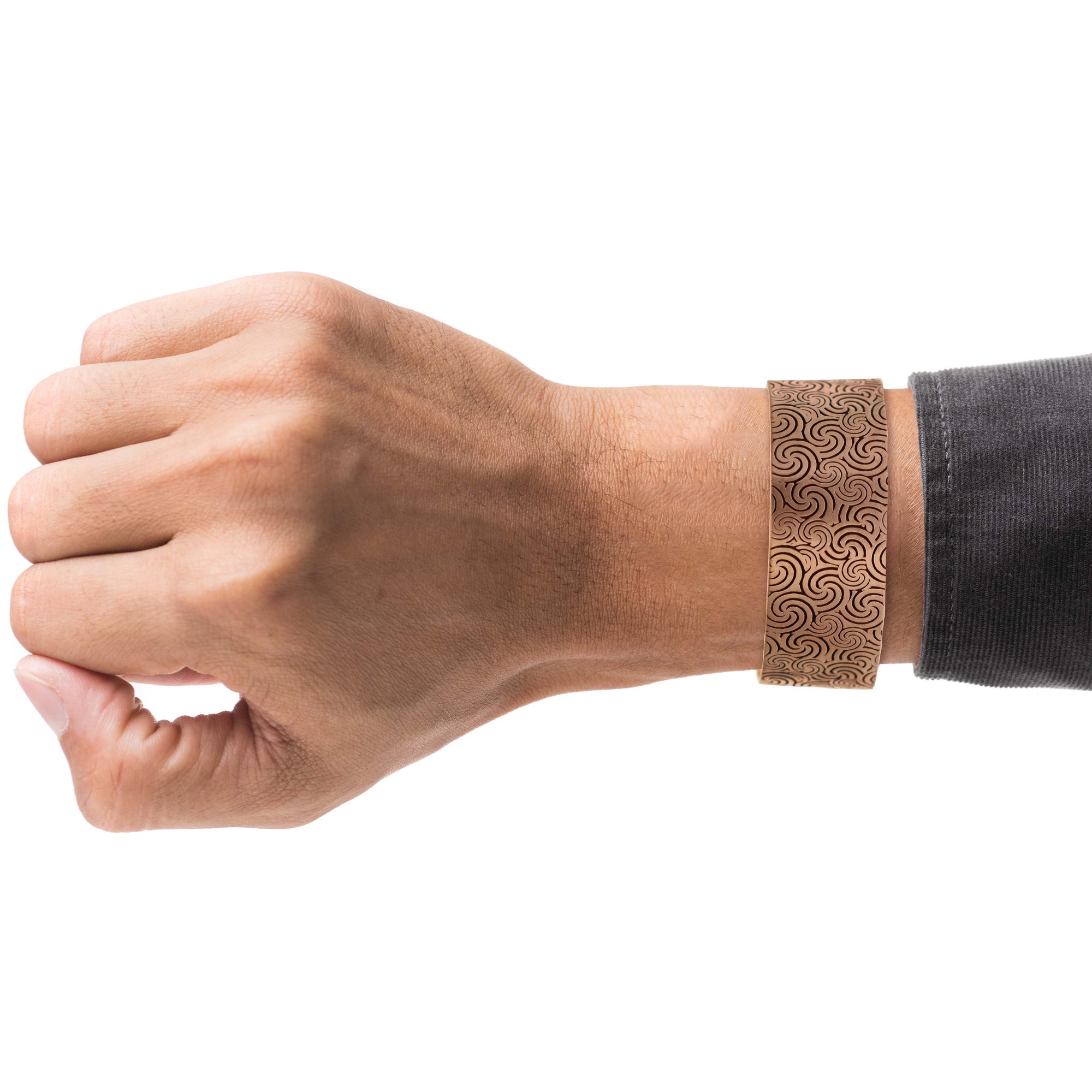
A gentler option is often better for handmade jewelry. Mother’s Mag & Aluminum Polish is a favorite because it works across John S. Brana jewelry and cleans without the harsh stripped look that stronger products can sometimes cause. If a customer asks me for one cleaner that covers a lot of ground, that is usually the one I mention first.
A good maintenance routine looks like this:
- Wipe the bracelet after wear
- Clean it when the finish looks duller than you like
- Rinse if your cleaner requires it
- Dry it fully
- Store it somewhere dry
The truth is, you do not have to polish every change away. A little darkening can look beautiful on textured copper. It can make the hammer marks or embossed pattern stand out more. For more general care help, essential tips for caring for your handmade jewelry is a good guide.
Customer Expectations: What Is Normal?
The easiest way to lower worry is to say clearly what is normal. So here it is. Green skin once in a while is normal. Darkening metal is normal. Slight color shifts from heat, humidity, and daily wear are normal too. On raw copper, these things are expected.
They are not defects. They are not proof the bracelet is poor quality. They are the signs of real copper behaving like real copper.
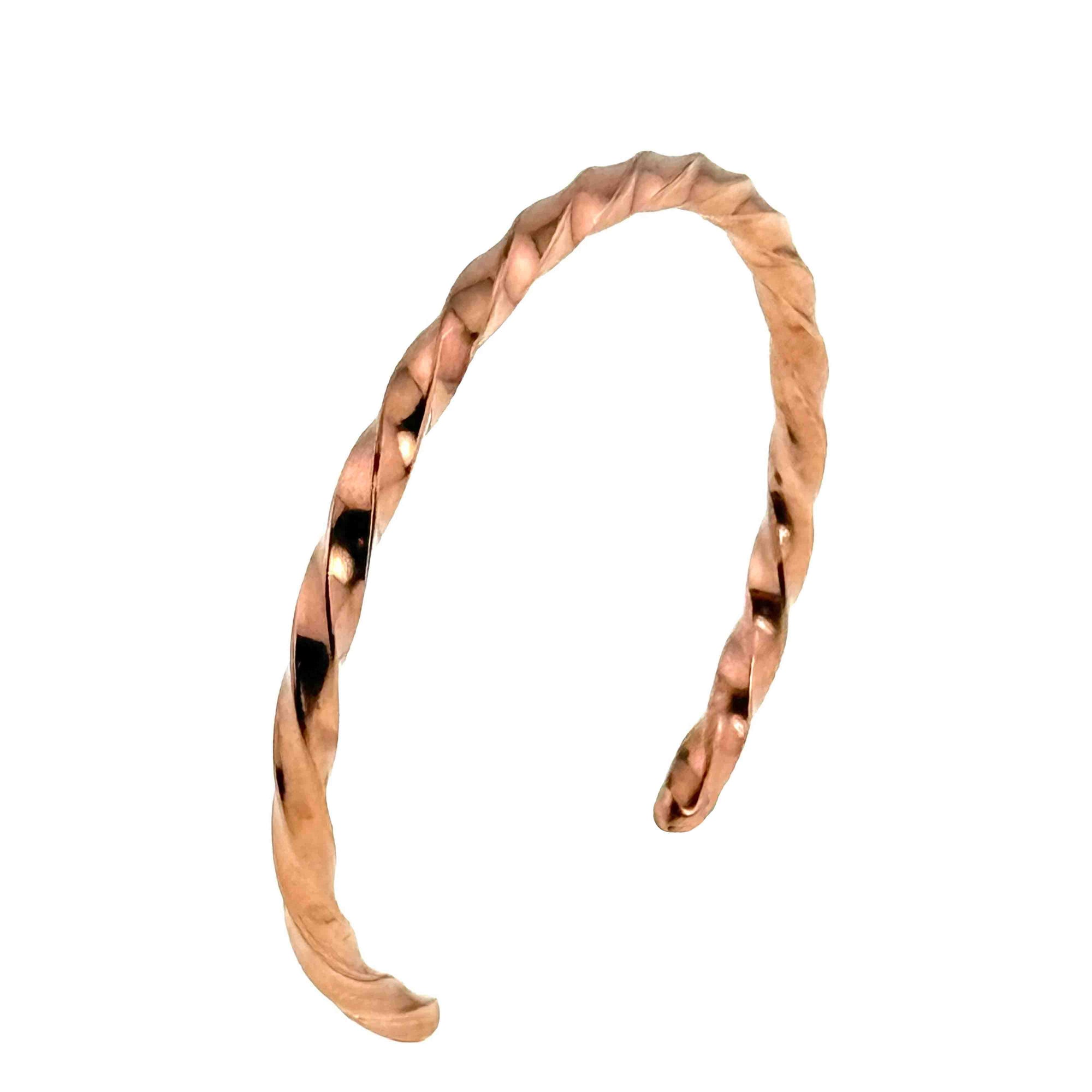
Here is a quick breakdown.
| Normal With Raw Copper | Worth Paying Attention To |
|---|---|
| Green mark on skin | Itching, rash, or burning |
| Bracelet darkening | Ongoing irritation after removal |
| Color changing over time | Reaction linked to lotions or soaps |
| More change in humidity | Persistent discomfort |
Discoloration is not the same as irritation. That part gets missed a lot. A green mark that washes away is not the same thing as a rash. If the skin feels sore or irritated, stop wearing the cuff and look at what else was on the skin. Lotion, sunscreen, soap residue, and friction can all matter.
True copper allergy is uncommon. In many cases, what a person notices is the transfer of surface reaction, not an allergy. If you want to compare that experience with wider public conversation around copper, copper bracelets placebo effect or measurable experience and top 10 copper cuff bracelets that make a statement add some useful context.
Raw Copper vs Coated Copper
If you are choosing between raw copper and coated copper, the best option depends on what you want from the piece. Raw copper changes with time. Coated copper tries to hold a more fixed look at first. Neither one is magic. They just age differently.
Raw copper may leave a green tint on the skin sometimes. It will develop patina. It can be polished back up or left alone. Coated copper may reduce direct skin contact early on, but if the coating wears unevenly, the finish can start looking patchy. That is one reason many people who love handmade metalwork prefer raw copper. It ages more honestly.
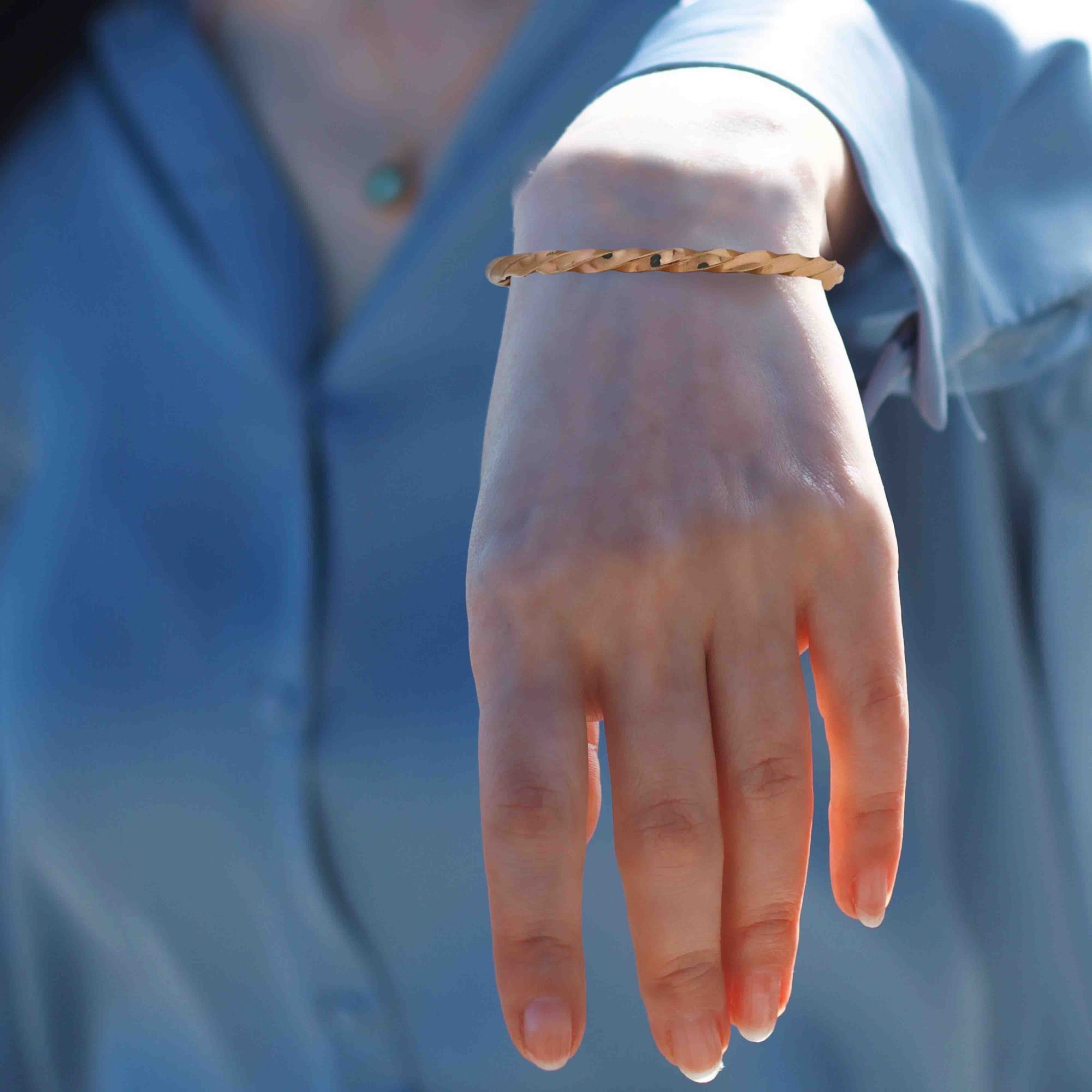
| Feature | Raw Copper | Coated Copper |
|---|---|---|
| Appearance over time | Changes naturally | Stays more fixed at first |
| Skin reaction | Possible green tint | Usually less at first |
| Long-term look | Develops character | Coating may wear unevenly |
| Maintenance | Can polish or let age | Less flexible once coating changes |
From a design point of view, raw copper gives better long-term depth. The surface tells the truth. Hammered copper catches shadows. Embossed copper gets richer. Twisted copper starts showing age in small, interesting ways. That is hard to fake.
If you want more style-oriented reading after the practical side, hammered copper jewelry and fall style, why copper jewelry makes a strong 7th anniversary gift, and earthy elegance with copper cuff jewelry are good next steps.
Final Thoughts: Copper Is a Living Metal
Copper is not a static metal. That is the biggest thing to understand. It changes. It deepens. It reacts. If your bracelet darkens or leaves a faint green mark from time to time, that does not mean the piece failed. It means the metal is alive to the world around it.
That is exactly why many buyers love it. Raw copper feels real. It asks a little from the owner, sure, but not much. Wipe it down. Keep it dry when you can. Polish it when you want brightness. Let it age when you want depth. That is the whole rhythm of it.
As a jewelry designer, I think the best copper pieces are the ones that get a bit of history on them. A cuff that stays too perfect can feel flat. A cuff that changes a little feels personal. Not polished in a fake way. Just lived in. Just right.
If you want one simple takeaway, here it is: green skin, patina, and surface change are usually normal with raw copper. Once you know that, the bracelet makes more sense, and the experience feels a lot less mysterious.
Frequently Asked Questions
Does a green mark mean my copper bracelet is fake?
No. A green mark usually means the copper is reacting naturally with sweat, oils, or moisture.
How do I remove green skin from a copper bracelet?
Wash the skin with soap and water. In most cases, the mark comes off easily.
Will everyone get green skin from copper?
No. Skin chemistry varies a lot, so some people see it more than others.
Is patina bad for a copper bracelet?
No. Patina is a normal surface change and many people like the richer color it creates.
Can I keep my copper bracelet shiny?
Yes. Clean it with a mild copper-safe cleaner and dry it well after cleaning.
Should I worry if my bracelet gets darker?
No. Darkening is one of the most normal changes raw copper goes through.
When should I stop wearing a copper bracelet?
If you get itching, burning, rash, or ongoing irritation, stop wearing it and check whether other skin products may be part of the problem.
Is raw copper better than coated copper?
It depends on what you want. Raw copper offers a more natural, evolving finish. Coated copper aims for a more fixed look at first.

Also in Jewelry News Blog


Where to Buy a Real Copper Bracelet: What to Look For Before You Order
Shopping for a real copper bracelet can be confusing when listings use vague terms like “copper tone” or “copper finish.” Learn how to spot solid copper, choose the right cuff size, understand natural patina, and find a well-made bracelet that will hold up to everyday wear.


Copper Jewelry Myths Explained: What’s True, What’s Not, and Why People Still Believe Them
Copper jewelry has long been linked to comfort, wellness, and old family stories, but what does the evidence really say? This article clears up common myths about copper bracelets, green skin, patina, arthritis claims, and daily wear, while explaining why copper jewelry still holds meaning through style, ritual, and personal connection.


Copper Bracelets: Placebo Effect Or Measurable Experience?
Do copper bracelets really work, or is it all in the mind? In this article, I take a closer look at the science behind copper cuffs, what wearers actually experience, and how belief and physical sensation can exist side by side. If you’ve ever wondered whether a solid copper bracelet offers real benefits or simply a meaningful ritual, this guide walks you through both perspectives in a clear, practical way.